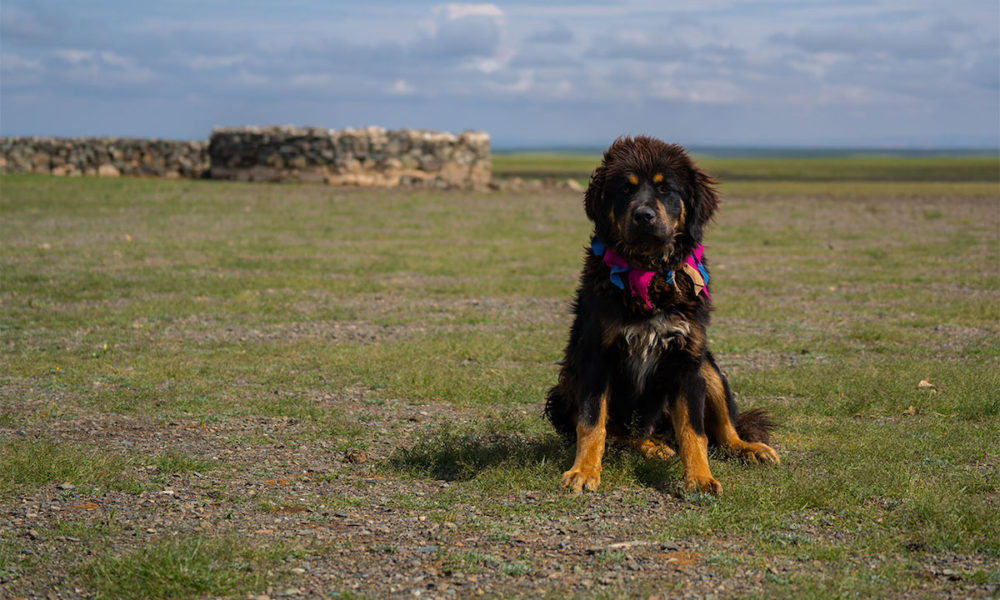
Three Camel Lodge and the Bankhar Dog Project have jointly started breeding the Mongolian breed and reintroducing this native dog throughout the Gobi region to simultaneously help decrease conflict between herders and the wild animals who might prey upon livestock if not for intervention by Bankhar dogs.
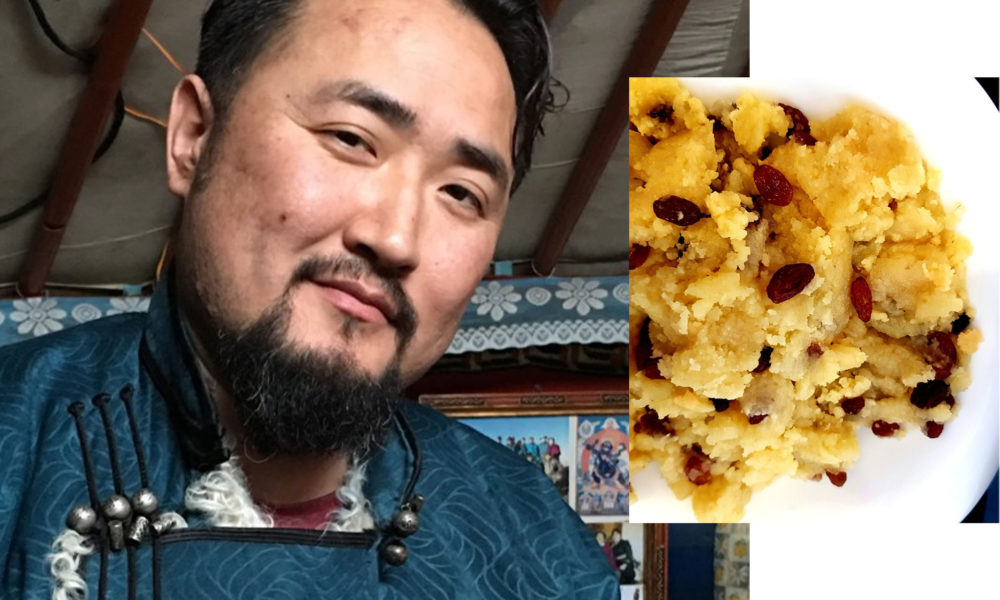
Traveling Through Cooking: Khailmag
One of the best ways to get to know a destination is through their cuisine. And winter is the perfect time to explore their quintessential foods, as many of them are hearty. Mongolia’s gastronomy is rooted in ingredients yielded by the animals herded by nomadic families upon the vast steppe. These include cattle, sheep, goats, horses, camels, and some game meat. From these animals, they draw milk and create a range of delicious dairy products.
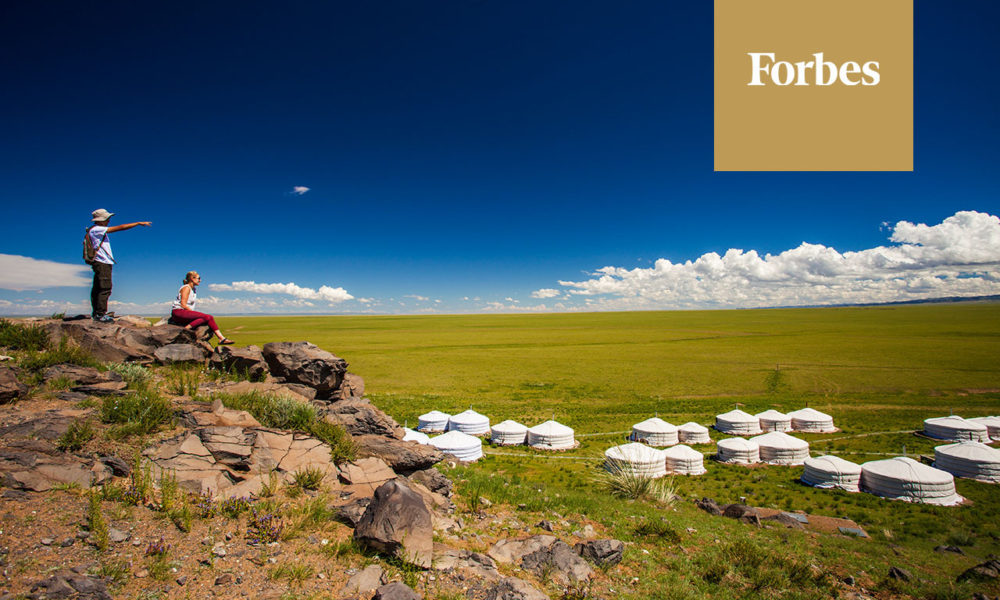
Make Travel A Force For Good Just By Choosing Beyond Green Hotels
The Covid pandemic has opened many eyes to how travel and tourism can help or hurt local communities. As travel restarts, choosing a vacation at a Beyond Green luxury property will not only help the environment but provide social and economic benefits to the community you visit. Why not make your vacation a force for good?
Read more “Make Travel A Force For Good Just By Choosing Beyond Green Hotels”
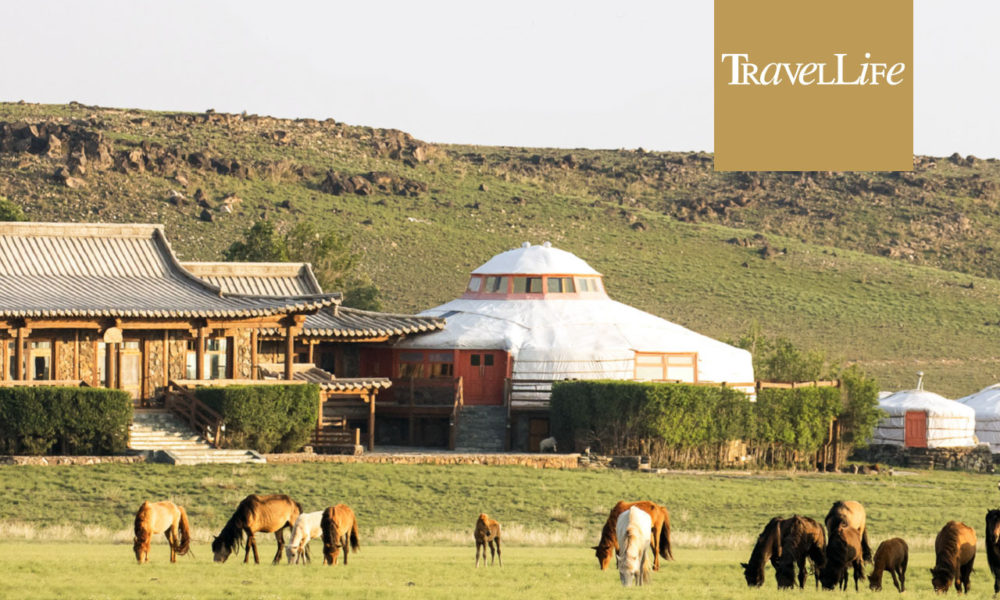
The Future of Luxury is Green
Beyond Green, launched this spring under Preferred Hotel Group, offers brand new eco-friendly luxury hospitality experiences
The Covid pandemic has opened many eyes to how travel and tourism can help or hurt local communities. As travel restarts, choosing a vacation at a Beyond Green luxury property will not only help the environment but provide social and economic benefits to the community you visit. Why not make your vacation a force for good?
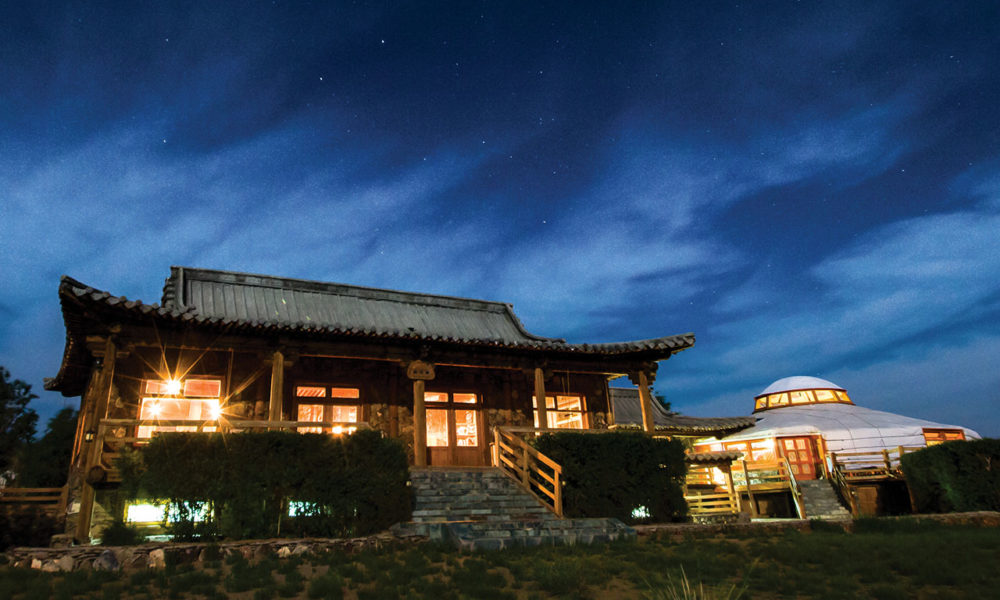
Top Reviewed Luxury Ecolodge: In the Words of Our Guests
It is one thing for us to promote ourselves as a renowned 5-star ecolodge offering unrivaled Mongolia experience in the heart of the Gobi Desert. It is another for it to come from our guests. We are exceptionally grateful for the outpouring of positive responses we receive each year from our guests, who fall in love with the lodge, our hospitable staff, the cinematic landscapes, epic wildlife, and famously warm nomadic culture.
Without further ado, here are a few words from our guests praising the Lodge on Tripadvisor.com.
Read more “Top Reviewed Luxury Ecolodge: In the Words of Our Guests”
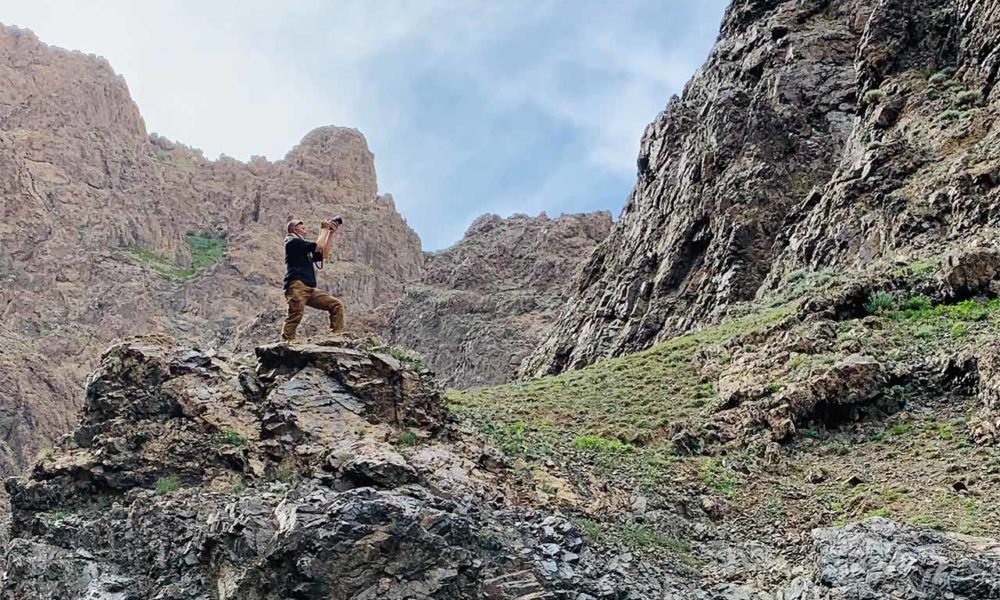
Suggested Gobi Itinerary: 3 Popular Gobi Daytrips
At the Three Camel Lodge, there is no shortage of adventures to savor. The lodge is the ideal base from which to explore the Gobi’s must-see destinations. You will encounter vastly different eco-systems, ancient petroglyphs or use indigenous wildlife, and the region’s most fascinating sites of historical and natural significance.
Read more “Suggested Gobi Itinerary: 3 Popular Gobi Daytrips”
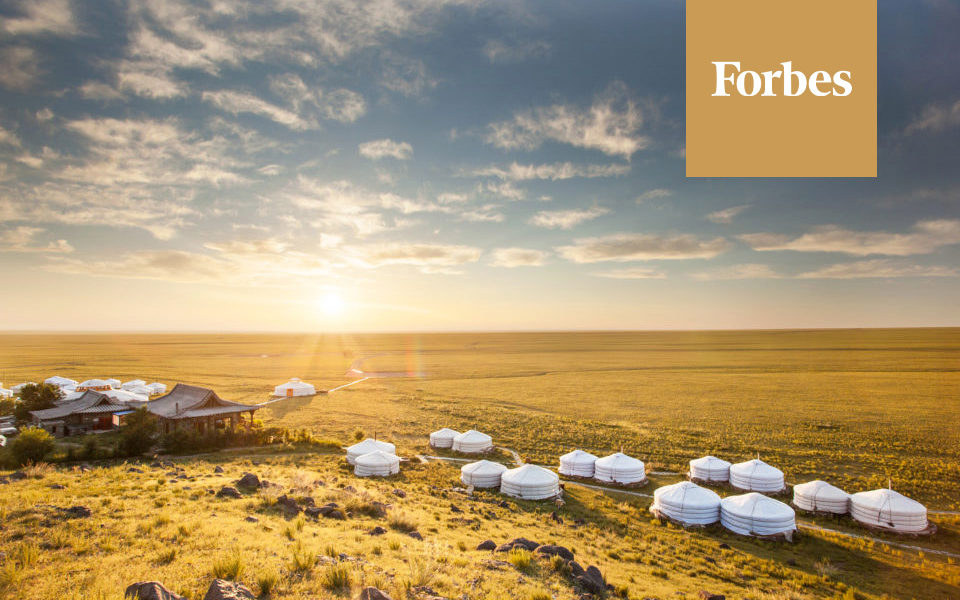
Forbes: Make Travel A Force For Good Just By Choosing Beyond Green Hotels
The Covid pandemic has opened many eyes to how travel and tourism can help or hurt local communities. As travel restarts, choosing a vacation at a Beyond Green luxury property will not only help the environment but provide social and economic benefits to the community you visit. Why not make your vacation a force for good?
Read more “Forbes: Make Travel A Force For Good Just By Choosing Beyond Green Hotels”
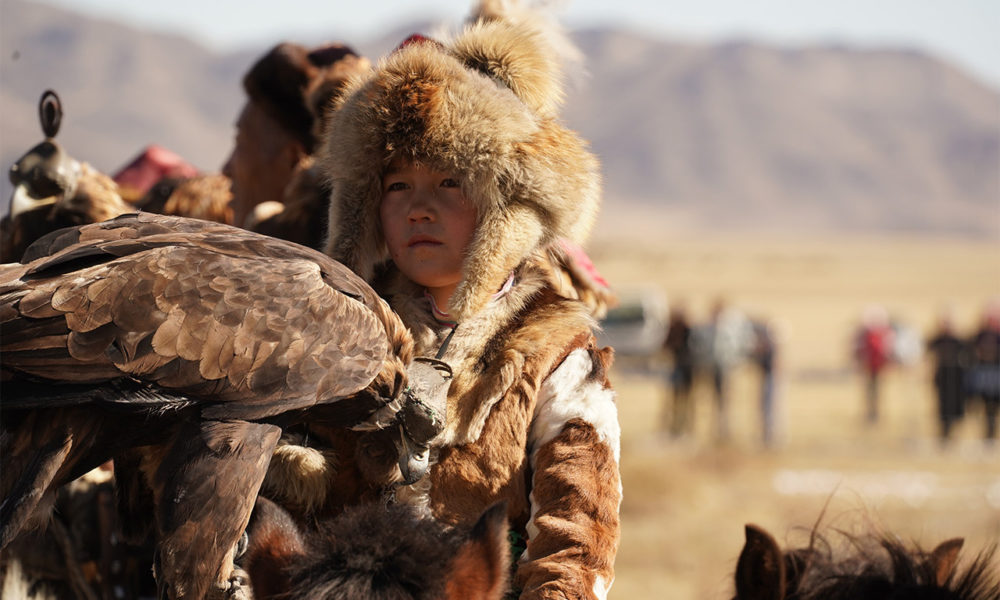
Mongolia on the Big Screen
While travel to Mongolia remains restricted for the time being, we can still enjoy seeing its epic nomadic lands in the stunning photography of movies and TV series. Here we share some of our favorites showcasing Mongolia. Films have certainly led to many countries seeing increased tourism, such as New Zealand following The Lord of the Rings. So whether you’re looking for a good story or a glimpse at what a Mongolia adventure might entail, you will certainly find it in this sampling of dramas and documentaries set in our storied land. We hope that they inspire your wanderlust as much as they do ours.
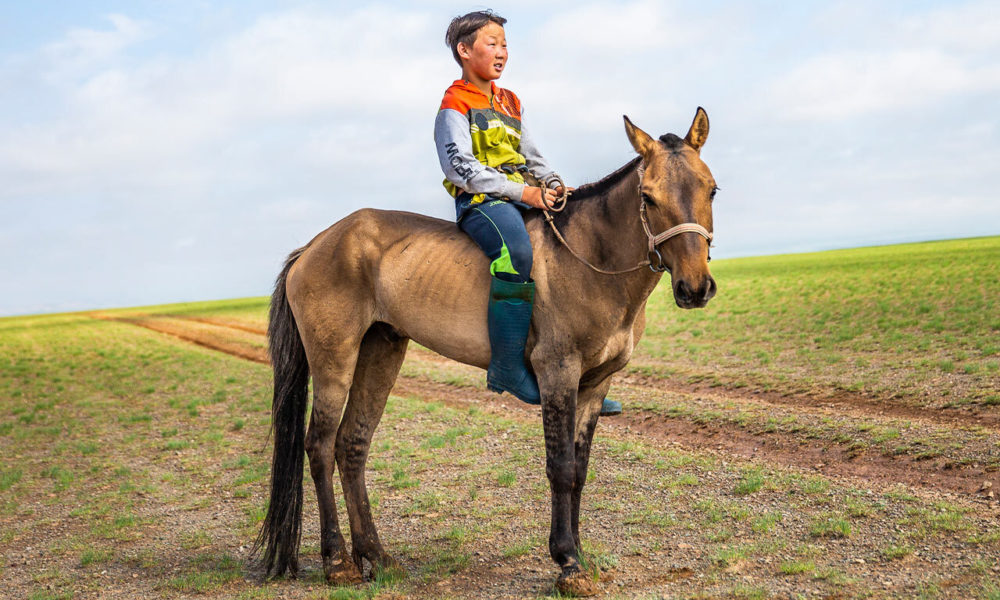
Family Travel to Mongolia: Top 5 Benefits for Kids
The world really is the best classroom. Bringing children on your family vacations allows them to grow in unexpected leaps and bounds. Becoming engaged one-on-one with Mongolia’s unique people, landscape, and traditions allows kids to experience history in the flesh, geography beneath their boots, and culture everywhere they look.
Read more “Family Travel to Mongolia: Top 5 Benefits for Kids”

Boortsog Recipe
Boortsog, or traditional Mongolian fried bread, is the most common cookie made by Mongolians. It is eaten as a dessert and snacks. Upon entering a home here, boortsog will be the first thing a Mongolian family will treat you with, along with milk tea. Throughout Central-Asia, boortsog goes by similar names and is the most common cookie of Kazakhstan, Kyrgyzstan, Uzbekistan, and Tajikistan.