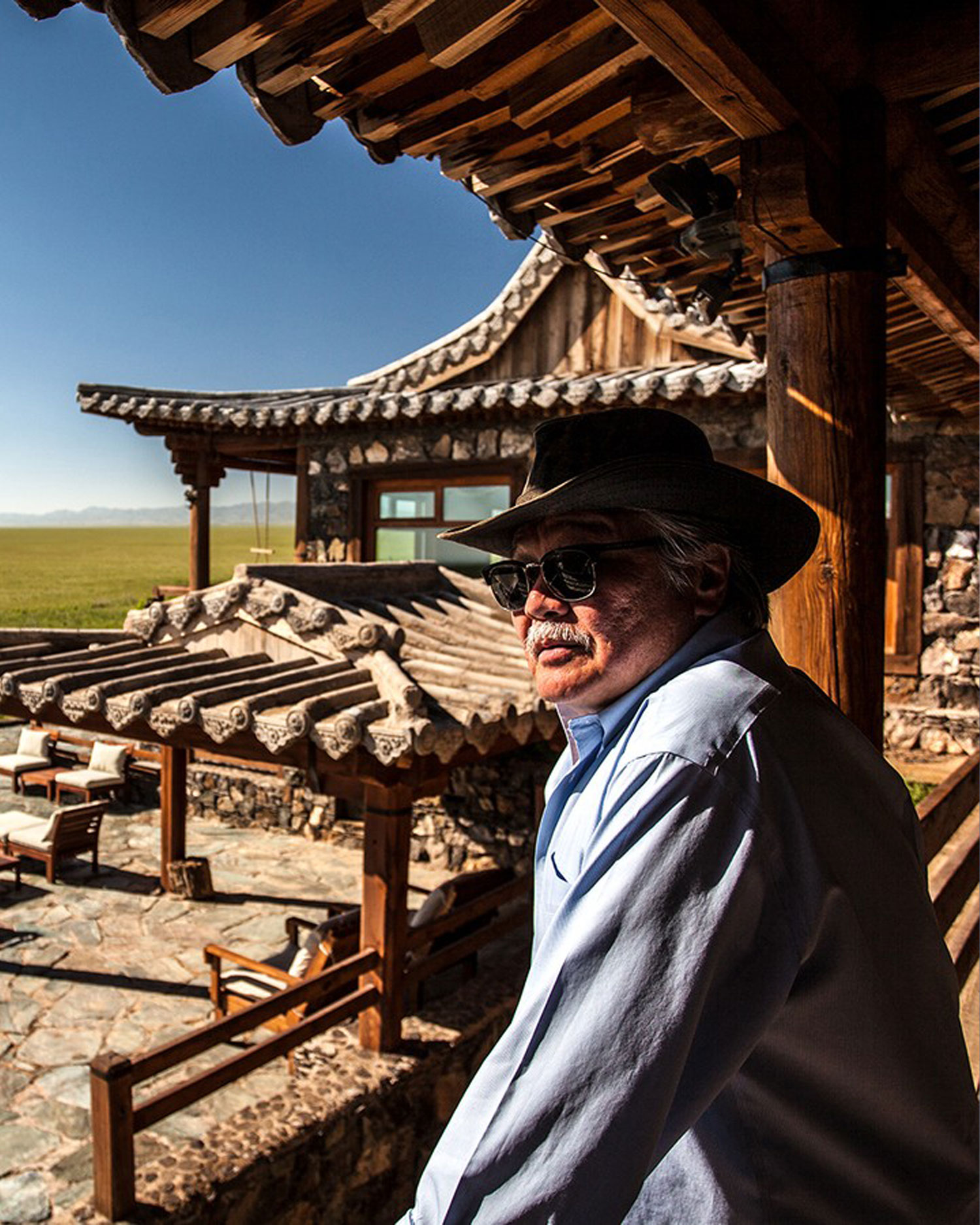

Long before sustainability became a global conversation, survival on the Mongolian steppe depended upon understanding limits.
The landscapes of Mongolia have never offered abundance in the conventional sense. Water can be scarce. Temperatures can swing dramatically between seasons. Pastures flourish briefly before yielding to winter. Across much of the country, people have always lived within an environment that rewards adaptation and punishes excess.
For centuries, nomadic herding communities developed systems that allowed them to thrive within these realities. They did not call these practices sustainability. They were simply ways of life, refined over generations through observation, experience, and an intimate understanding of the land.
Today, many of those traditions continue to shape Mongolia’s relationship with its environment. Travelers encounter them throughout the country, from seasonal movements across the steppe to the enduring relationship between herders, livestock, wildlife, and water. At Three Camel Lodge, these traditions are not viewed as relics of the past. They continue to inform how guests experience the Gobi and how the lodge approaches its commitment to sustainable travel.
For travelers seeking a deeper understanding of Mongolia, these practices offer something more than a sustainability lesson. They provide insight into a culture that has spent centuries learning how to live within the limits of a remarkable and often unforgiving landscape.
Low-Impact Design & Nomadic Adaptation in the Gobi Desert
The design of Three Camel Lodge reflects a philosophy that has shaped life in Mongolia for centuries.
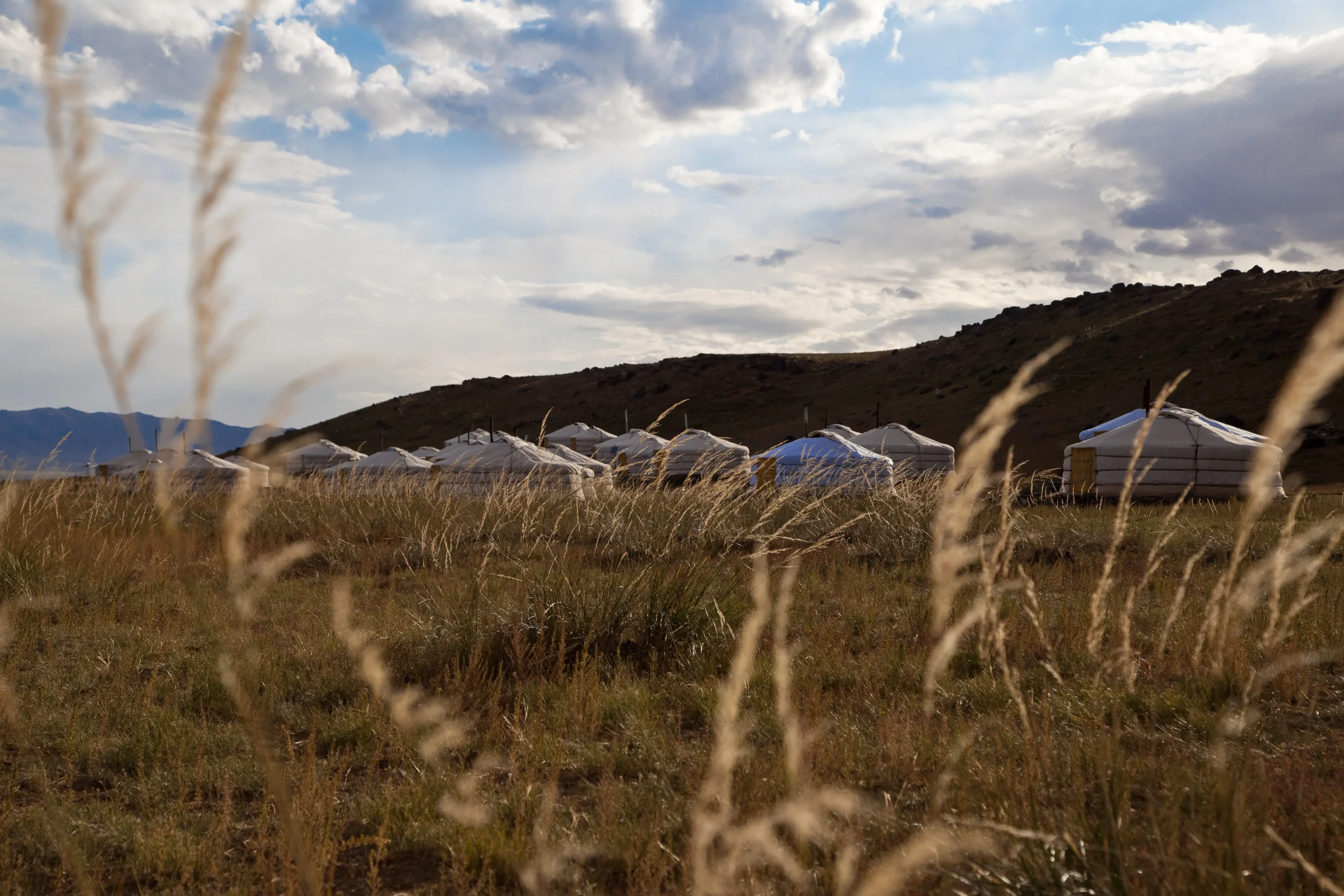
Guest gers are spread across the property rather than clustered together. Open stretches of desert separate one structure from the next. Beyond the lodge, the landscape seems to continue uninterrupted toward the horizon.
The arrangement feels natural within the Gobi. It also echoes a long tradition of adapting to the land rather than imposing upon it.
For nomadic herders, movement was not a seasonal inconvenience. It was a practical response to the realities of the land. Livestock could not remain in one place indefinitely. Grasslands needed time to recover. Water availability shifted throughout the year. Families moved because staying still carried consequences.
Over generations, this pattern created a relationship with the landscape that prioritized adaptation over permanence. Rather than reshaping the environment to suit human needs, people adjusted their movements to seasonal conditions.
That perspective continues to influence tourism in Mongolia today. At Three Camel Lodge, the low-density design of the property follows a similar philosophy, allowing the surrounding environment to remain the defining feature of the experience.
Water Stewardship: Sharing Resources with Local Herder Families
In the Gobi Desert, water has always carried a significance that extends beyond simple necessity.
A well, spring, or seasonal water source could determine where families settled, where livestock grazed, and how communities interacted with one another. Access to water required cooperation because no individual household could thrive in isolation.
Many traditional customs reflected this understanding. Water sources were treated with respect. Communities shared access according to need and season. Stewardship became inseparable from survival. That relationship remains visible today.
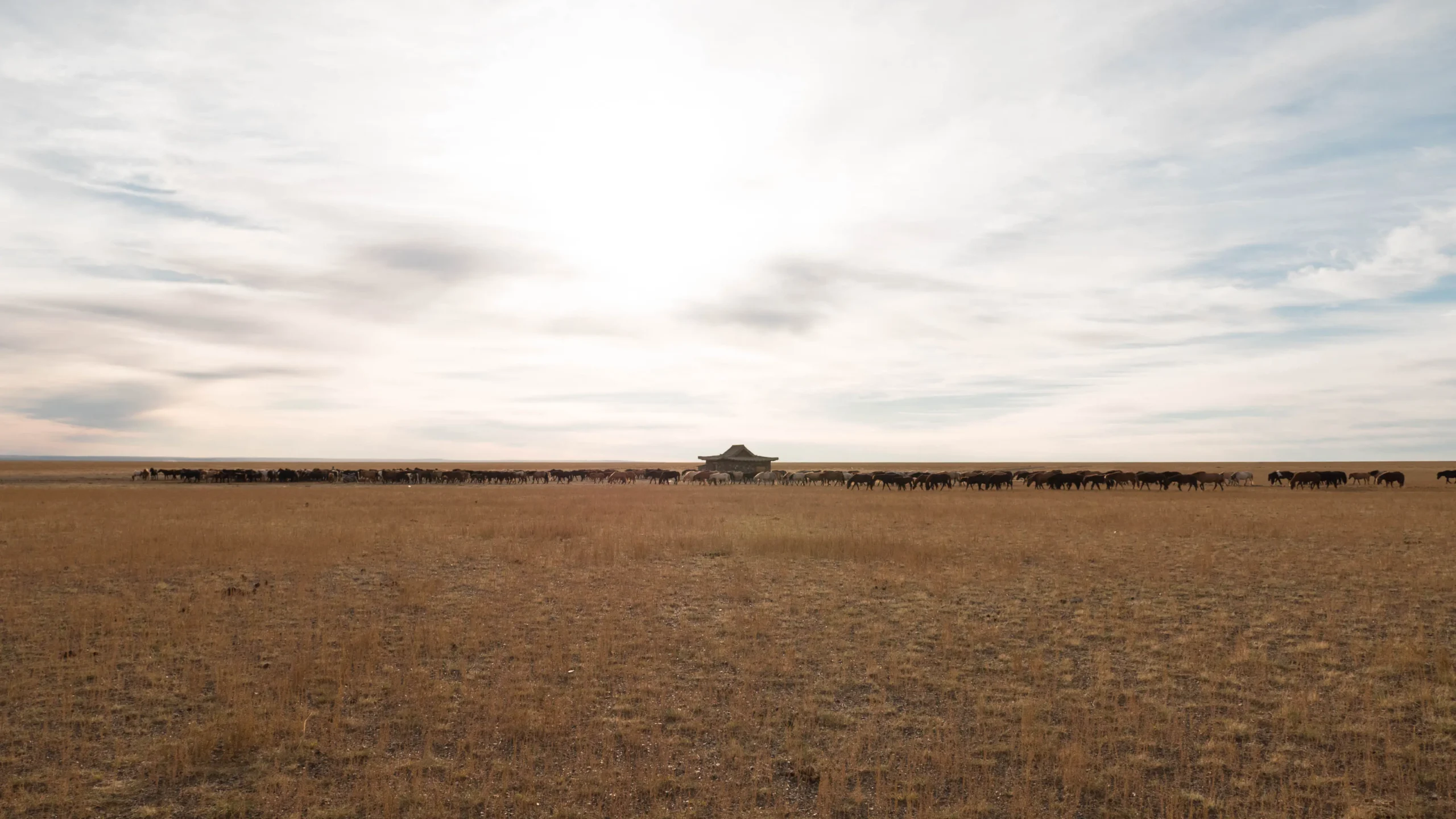
At Three Camel Lodge, one of the property’s wells is dedicated to local herder families and their livestock. Throughout the year, the well supports thousands of animals belonging to neighboring households, continuing a tradition of shared water access that has long shaped life in the Gobi. The specific infrastructure may be modern, but the underlying principle remains familiar: water is most valuable when it sustains an entire community.
Across the desert, the principle remains familiar. Water remains one of the region’s most valuable resources, and its stewardship continues to shape life in the Gobi.
Coexisting with Predators: The Mongolian Bankhar Dog Project
One of the most enduring challenges of pastoral life anywhere in the world is coexistence with predators.
For centuries, herding families have shared the landscape with wolves and other predators. The challenge was never eliminating wildlife. The challenge was protecting livestock while allowing wildlife to remain part of the ecosystem.
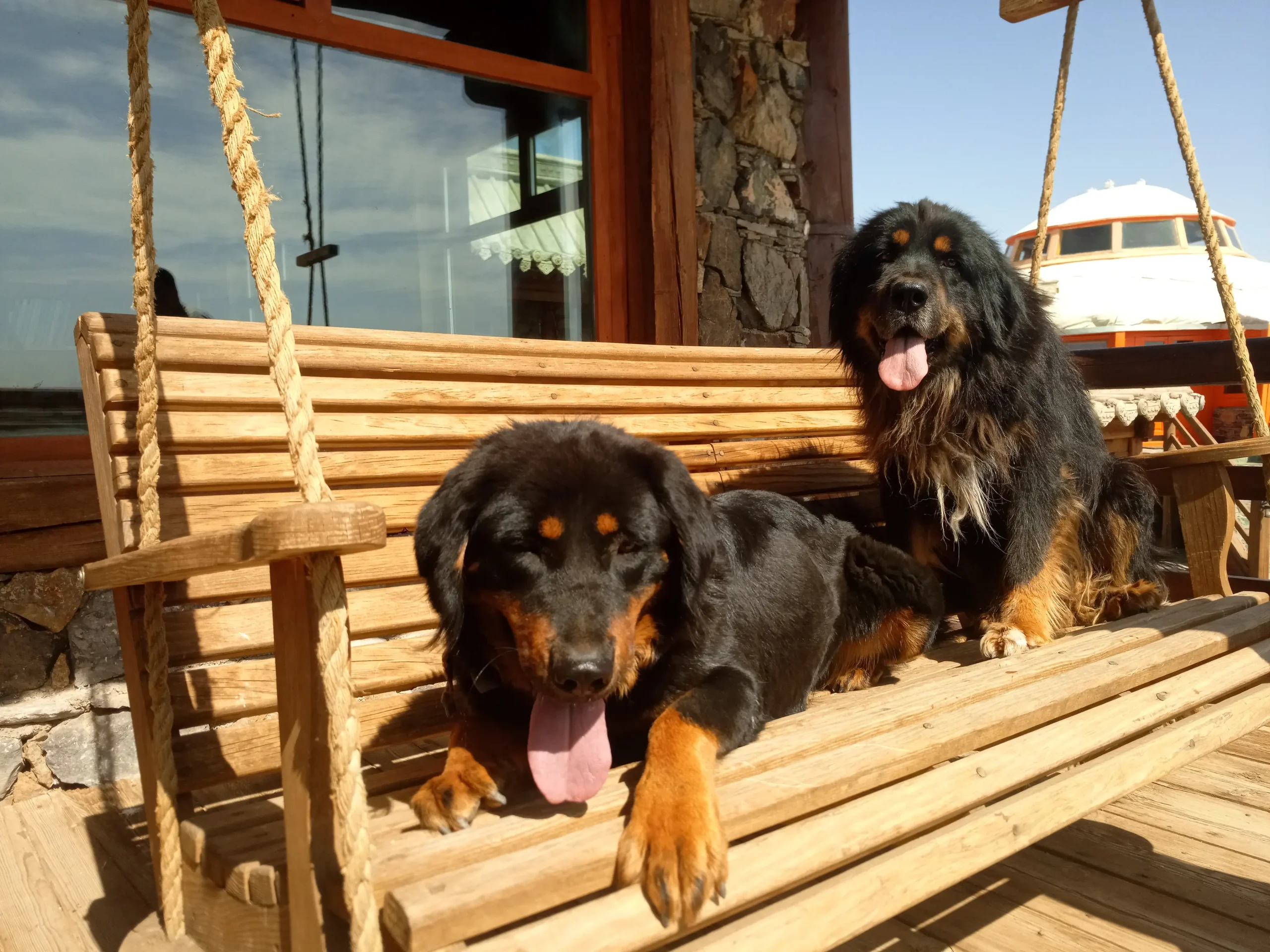
The Mongolian Bankhar dog represents one of the country’s oldest solutions.
For generations, these livestock guardian dogs protected herds across the steppe. Their role was straightforward but important: reduce livestock losses while minimizing conflict between herders and predators.
Guests at Three Camel Lodge often encounter the Bankhar story through the lodge’s direct partnership with the Mongolian Bankhar Dog Project. What began with a single puppy at the lodge has evolved into an active breeding program that helps place working dogs with nomadic families throughout the region. The impact of these dogs is proven: according to data from WWF-Mongolia, herder families who reintroduced Bankhar dogs saw livestock losses drop from 20–30 animals per season to near zero, eliminating the need for retaliatory hunting against snow leopards and wolves.
The project demonstrates an important principle often overlooked in conservation conversations. Sustainable systems rarely depend on choosing between people and wildlife. The most successful solutions often help both endure.
Cultural Conservation in Gobi Gurvansaikhan National Park
Many of Mongolia’s most important conservation traditions emerged not through formal environmental policy, but through cultural belief.
Sacred mountains, springs, and ovoos, stone cairns found across the country, have long occupied a special place within Mongolian spiritual life. These landscapes were respected as places of significance, often associated with local traditions, ceremonies, and community identity. In many cases, that respect produced practical environmental outcomes.
Activities such as hunting, resource extraction, or unnecessary disturbance were often discouraged in areas considered sacred. Certain landscapes remained relatively protected because communities viewed them as deserving of care.
The motivations were cultural and spiritual rather than scientific. Yet the result frequently mirrored what modern conservation efforts seek to achieve: the preservation of important ecosystems and natural spaces.
Today, Mongolia’s network of protected areas reflects both contemporary conservation science and a much older understanding that some places possess value beyond what can be measured or consumed.
Operating within the Gobi Gurvansaikhan region, Three Camel Lodge was founded with the understanding that preserving cultural heritage and protecting the surrounding landscape are closely connected.
That connection between cultural heritage and environmental stewardship remains visible at Three Camel Lodge. Ancient petroglyphs preserved on the property offer a reminder that people have lived within this landscape for thousands of years, while the lodge’s commitment to low-impact tourism reflects a belief that cultural preservation and conservation are closely connected. Guests may arrive to experience the Gobi’s dramatic landscapes, but they also encounter a deeper story about the traditions, beliefs, and histories that have helped shape them.
Sustainable Architecture: Traditional Gers & Nail-Less Woodwork
Traditional Mongolian gers are often admired for their beauty and craftsmanship. Less frequently discussed is how well they reflect the realities of life on the steppe.A ger can be assembled, dismantled, and transported as families move with the seasons. Its circular design withstands powerful winds. Its materials have historically come from resources readily available to herding communities. Most importantly, it allows people to adapt to the landscape rather than permanently altering it.
| Sustainable Principle | Standard Commercial Hotel | Three Camel Lodge Approach |
|---|---|---|
| Land Footprint | Concrete foundations & permanent block structures | Removable, traditional gers spread lightly across desert terrain |
| Building Craftsmanship | Imported, mass-manufactured building materials | Native carpentry & ancient nail-less wooden joinery |
| Resource Sharing | Private, restricted utility infrastructure | Dedicated water well shared with local herder livestock |
| Wildlife Impact | Perimeter fencing & pest extermination | Non-lethal predator deterrence via Bankhar guardian dogs |
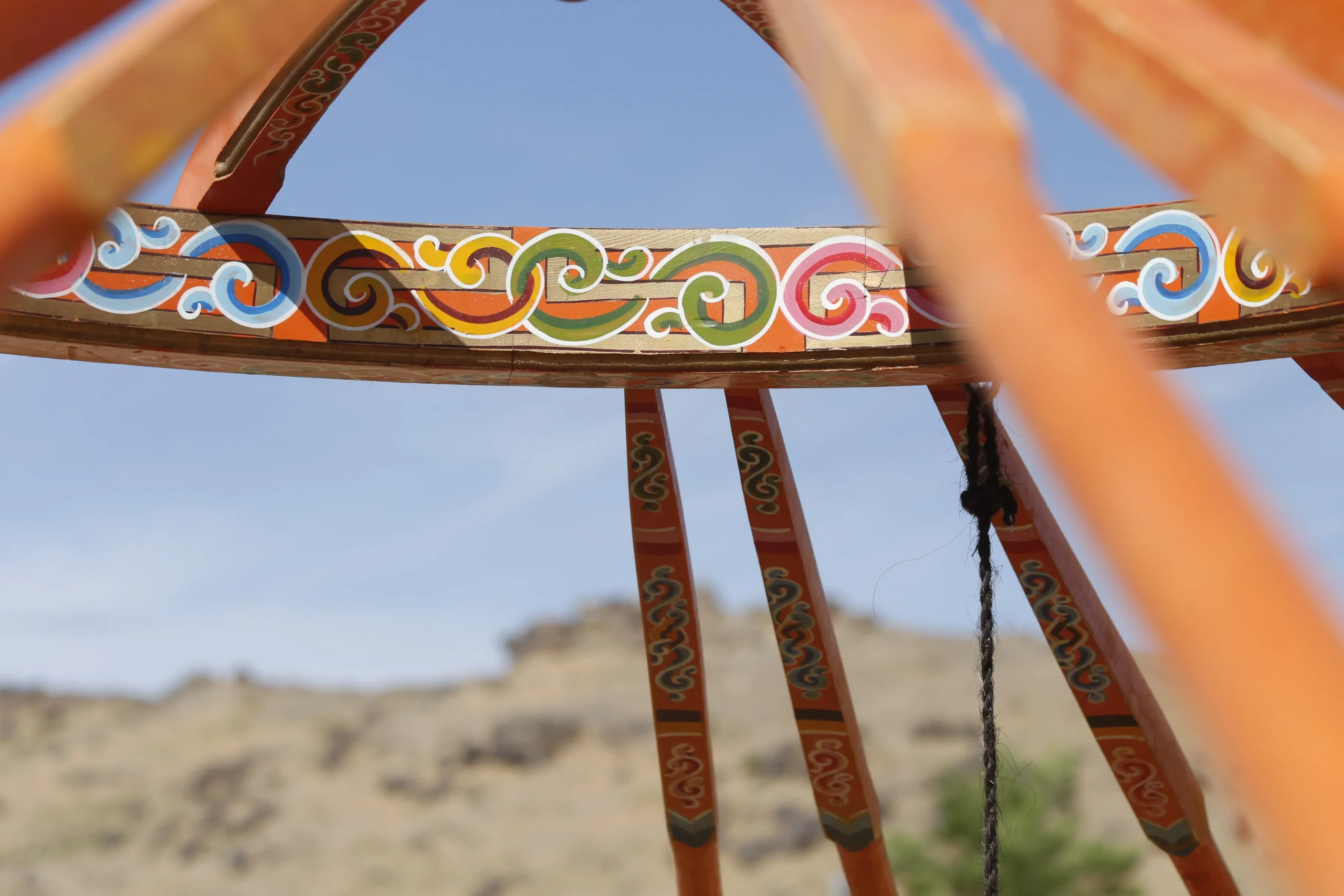
That perspective had a direct influence on the design of Three Camel Lodge. The guest accommodations are traditional gers maintained by the lodge’s own carpentry team. The central lodge incorporates Buddhist temple building techniques, including intricate wooden joinery assembled without nails in the roof. Throughout the property, the goal has never been to dominate the surrounding environment, but to exist comfortably within it.
Inside Our Accommodations Explore how traditional craft meets eco-luxury in our Guest Gers & Central Lodge Gallery.
Enduring Lessons for Sustainable Travel
Travelers often encounter sustainability through visible initiatives: solar panels, recycling programs, reusable water bottles, or conservation projects. These efforts matter, and they play an important role in reducing environmental impact.
Yet sustainability is also a way of thinking about our relationship with place.
Mongolia’s nomadic traditions offer a reminder that many of the principles discussed today have much deeper roots. Communities adapted their movements to seasonal conditions, shared access to scarce resources, and developed ways of living within environmental limits rather than attempting to overcome them.
At Three Camel Lodge, sustainability is informed by both contemporary practices and these enduring traditions. From supporting local communities and preserving cultural heritage to protecting wildlife and operating within one of the world’s most remarkable desert ecosystems, the lodge’s approach reflects lessons that have shaped life on the steppe for generations.
The language may be modern. The wisdom is considerably older.
For travelers, that may be one of Mongolia’s most valuable lessons. Sustainable travel is not simply about minimizing impact. It is also about understanding the people, traditions, and ways of life that have long demonstrated how to live responsibly within a landscape.
Frequently Asked Questions About Sustainability at Three Camel Lodge
How is Three Camel Lodge built sustainably in the Gobi Desert?
Three Camel Lodge utilizes low-impact, traditional ger accommodations spread widely across open desert terrain. Guest gers are maintained by an in-house carpentry team, and the central lodge structure was constructed using ancient Buddhist temple building techniques featuring intricate wooden joinery and a roof assembled entirely without nails.
What is the Mongolian Bankhar Dog Project?
The Mongolian Bankhar Dog Project is an initiative that breeds and places traditional Bankhar livestock guardian dogs with nomadic herding families. These dogs deter predators like wolves, protecting herder livelihoods and reducing human-wildlife conflict without killing native predators. Three Camel Lodge partners directly with the project through an active breeding program on-site.
How does Three Camel Lodge support local nomadic herder communities?
Three Camel Lodge shares vital water resources by maintaining a dedicated well on the property that supplies thousands of animals belonging to neighboring herder households throughout the year. The lodge also supports local livelihoods through carpentry, employment, and regional cultural preservation initiatives.
Are there historical cultural sites located on the Three Camel Lodge property?
Yes. Three Camel Lodge protects ancient petroglyphs located directly on the property grounds, serving as a physical connection to the thousands of years of human history in the Gobi Gurvansaikhan region.
Experience Nomadic Eco-Luxury in the Gobi Desert
Plan your journey to Mongolia’s premier sustainable eco-lodge. Book Your Stay at Three Camel Lodge or explore our authentic Gobi Desert itineraries.