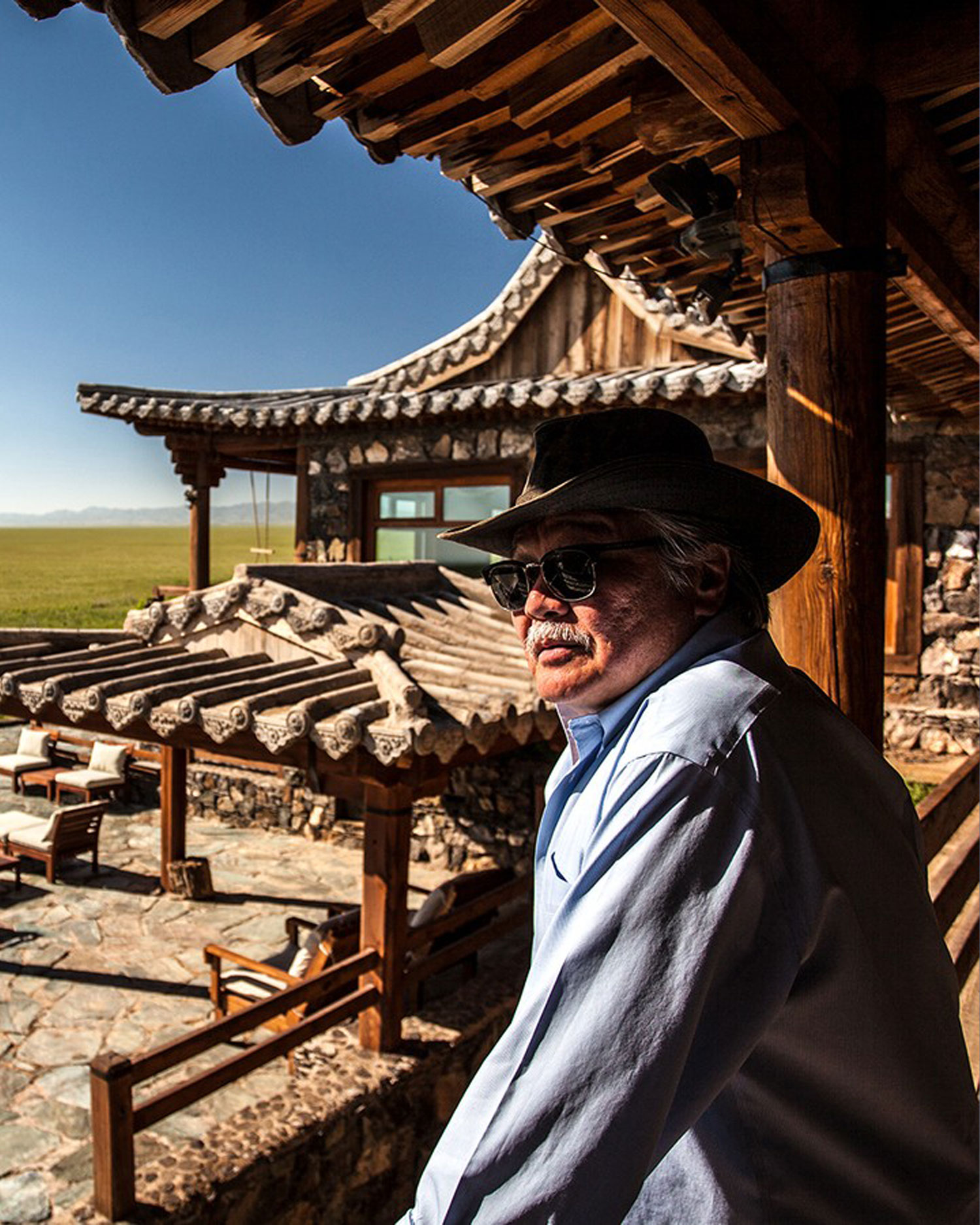
Set within the vast landscapes of the Gobi Desert, Three Camel Lodge offers more than a place to stay. It is an experience shaped by culture, environment, and the people who bring Mongolia’s traditions to life. Among them is Head Chef Munkhtsetseg, whose journey from the western steppe to the lodge kitchen reflects a deep connection between land, food, and heritage.
Born in 1986 in Bukhmurun in Uvs Province, Munkhtsetseg grew up in a close-knit family as the fourth of five children. Life was centered around shared responsibilities and shared meals. From an early age, she understood that food was not simply sustenance, but a reflection of the land and the care invested in raising livestock.
In western Mongolia, ingredients are shaped by their environment. Livestock graze on natural grasslands, and wild ingredients are gathered with care. One of the most memorable flavors from her childhood is seabuckthorn, a fruit known for its bright taste and nutritional value.
Although her upbringing was closely tied to food, her formal education took a different direction. After finishing school in Darkhan, she studied computer science at the Mongolian University of Science and Technology, graduating in 2008. Still, the kitchen remained part of her life.
Her path changed while working as a waitress at Broadway Restaurant. Encouraged by a head chef who recognized her interest and potential, she began helping in the kitchen. That moment led to a full transition into cooking, setting the foundation for her career.
In 2011, Munkhtsetseg joined Three Camel Lodge. She began as a dishwasher, learning the rhythm of the kitchen from the ground up. Over time, she moved through roles as a waitress and assistant chef, eventually becoming Head Chef.
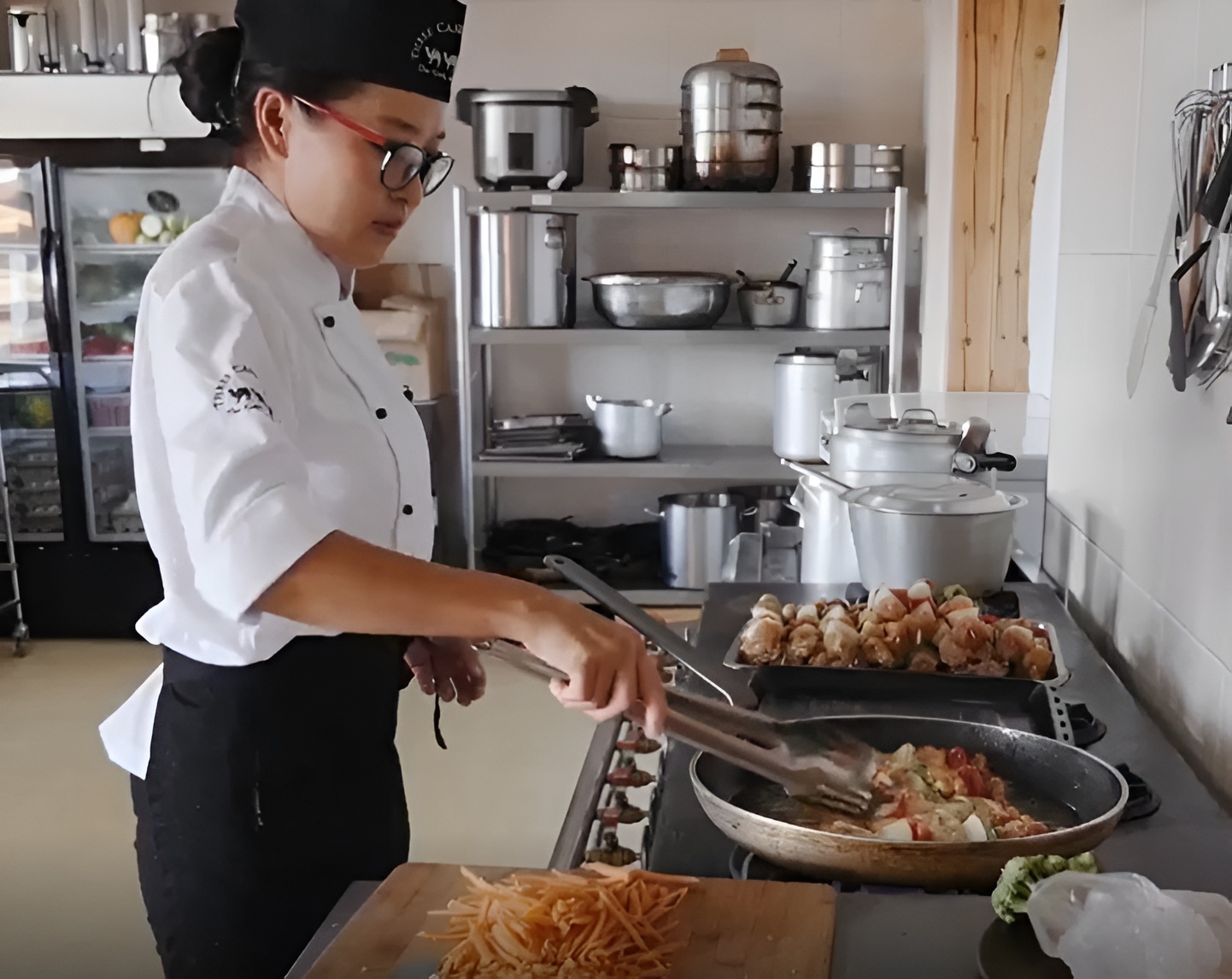
Today, she leads the kitchen with a focus on teamwork, discipline, and consistency. Each day begins with a meeting to review the menu and prepare for service. During meal times, she guides the team to ensure quality and precision. At the end of the day, she records inventory, updates the kitchen journal, and prepares for the next service.
We spoke with Munkhtsetseg about her background, her approach to cooking, and what inspires her work.
A Conversation with Munkhtsetseg
You grew up in Uvs Province in western Mongolia. What defined the food culture there?
“In my home region, meat is the foundation of our diet. Livestock graze on rich natural grass that grows from healthy soil, and this gives the meat exceptional flavor. Another treasured ingredient from Uvs is seabuckthorn, which grows abundantly and is harvested in natural ways that preserve its bright taste and nutritional value.”
You studied computer science before becoming a chef. What led you to the kitchen?
“When I was working as a waitress at the Broadway Restaurant, the head chef noticed how interested I was in cooking. Whenever I had the chance, I helped along the kitchen line. One day he told me he believed I had real talent and offered me a chance to join the kitchen team. I accepted immediately. Looking back, it was one of the best decisions I have made.”
What ingredients best represent the Gobi Desert to you?
“The flavor of the Gobi comes from livestock that graze on natural herbs like chives and leeks. These plants grow widely across Mongolia, and animals feed on many wild herbs, which gives the meat a rich taste. Camel’s milk is another ingredient that represents the Gobi. It is very nutritious and valued for strengthening the immune system.”
How does a typical day as Head Chef begin and end?
“Each morning begins with a meeting with the kitchen team. We review the menu and discuss the meals we will prepare that day. During service I guide the team and make sure everything meets our standards. After the meals are finished, I update the kitchen journal, record inventory, and make sure the kitchen is cleaned and organized for the next day.”
What do you most enjoy cooking at home?
“I enjoy preparing khuushuur and tsuivan. When I make khuushuur, I like to fry them in butter rather than oil because it gives a richer flavor and crisp texture. There is also a traditional belief that the warmth of butter-fried khuushuur can bring comfort and help release gas from the body.”
Have you created any dishes of your own?
“I developed a dish called Gambrizza. It combines Mongolian fried dough with the idea of pizza. The base is thinner than a typical pizza but has a rich flavor from the dough. Guests are often surprised by the combination, and it has become a favorite for many visitors.”
What does it mean to raise your children at the lodge?
“It gives me peace of mind to know my children are growing up in a healthy environment surrounded by nature and a close community. In the summer the lodge operates a kindergarten where children can learn and play while their parents work nearby. This support makes a big difference for families like ours.”
What inspires you most in your work today?
“Seeing the satisfaction of our guests. When they enjoy the food and share their compliments, it reminds me why I chose this path.”

Cooking Rooted in Place
For Munkhtsetseg, cooking is closely tied to memory, landscape, and tradition. Her work reflects the flavors of both western Mongolia and the Gobi Desert, bringing together regional ingredients and lived experience.
At Three Camel Lodge, guests encounter Mongolian culture through its cuisine. Each meal offers a connection to the land and the traditions that have shaped it for generations. Through Munkhtsetseg’s leadership, the kitchen became a place where heritage and hospitality meet.
Discover authentic Mongolian lodging and cuisine through a stay at Three Camel Lodge.