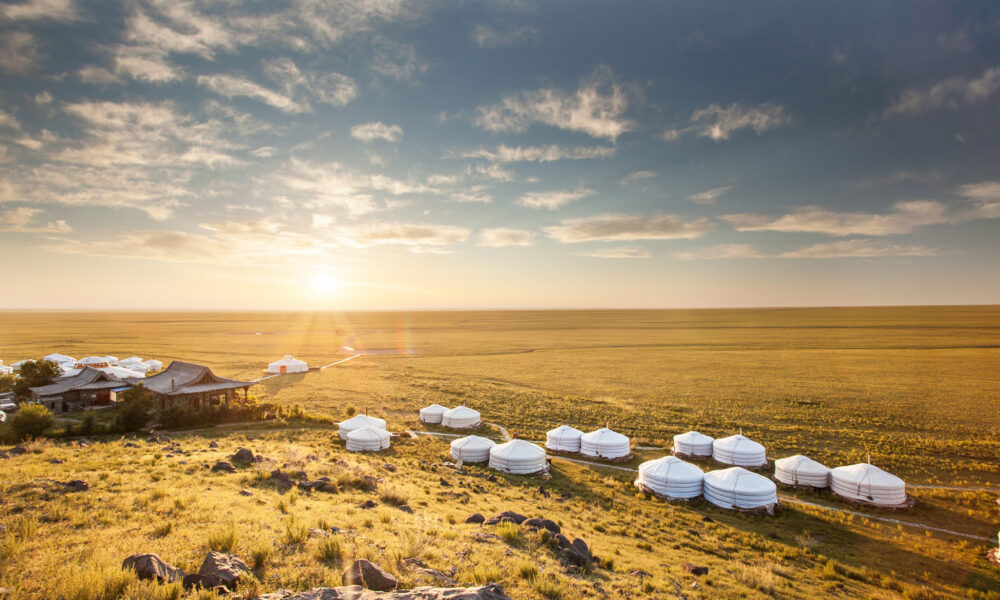
Few landscapes recalibrate a traveler’s sense of scale like Mongolia’s Gobi Desert. The horizon stretches without interruption, and quiet becomes a constant rather than an absence. Evidence of ancient life remains visible in the land, while nomadic families continue to shape its present.
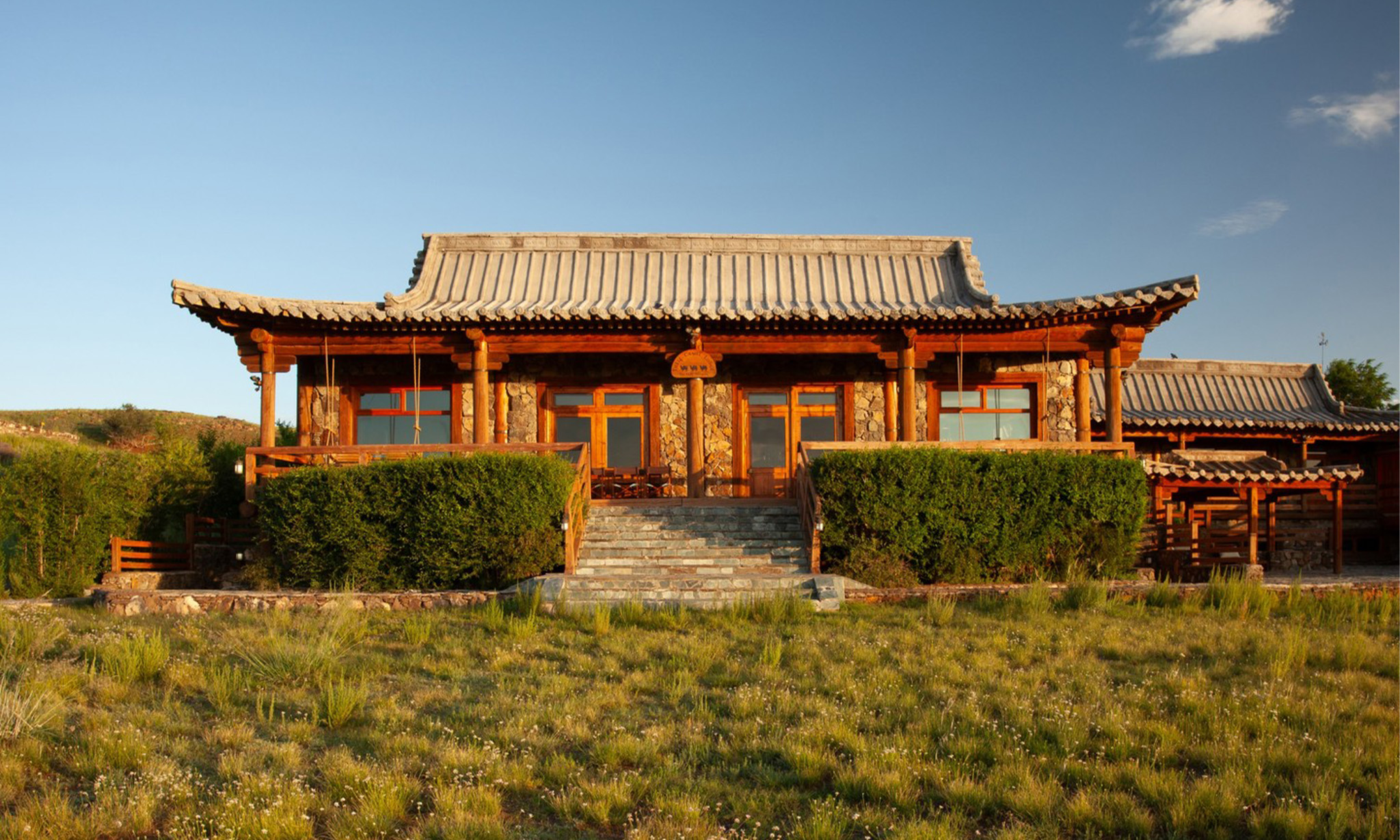
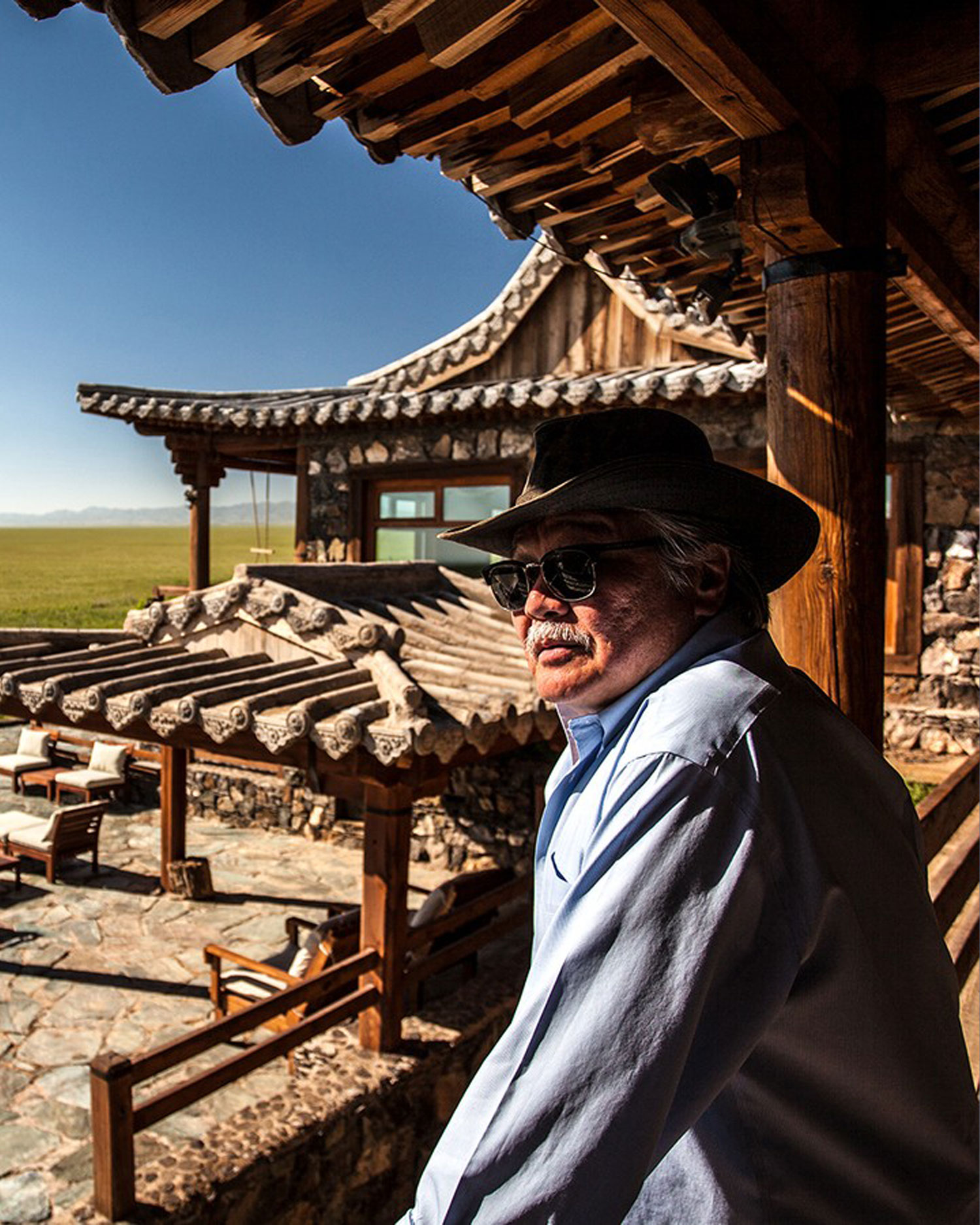
Set in the heart of Mongolia’s South Gobi Province, Three Camel Lodge is designed to be a natural extension of its surroundings rather than a retreat that separates you from them. Staying here places you within reach of some of the region’s most iconic landmarks while also offering opportunities to experience daily life in the desert, from camel herding to evenings under expansive night skies.
Whether your curiosity leans toward ancient history, wildlife, or simply time spent in a landscape that feels largely unchanged, visiting the Gobi encourages a slower pace. The lodge serves as an ideal base for exploring the region’s highlights while allowing space for quieter moments that often become the most memorable.

Iconic Landmarks of the Gobi Desert
The Gobi Desert is defined by contrast. Sand gives way to stone, and open ground narrows into valleys and escarpments shaped by deep geological time. Each landmark reflects a different chapter of the region’s history and offers insight into why this landscape feels so unlike any other.

Flaming Cliffs (Bayanzag)
Few places capture attention quite like the Flaming Cliffs, known locally as Bayan Zag. At sunset, the red sandstone deepens in color as the low light sets the cliffs ablaze in deep shades of orange and gold. Beyond their striking beauty, this site holds enormous scientific significance.
It was here in 1923 that Roy Chapman Andrews and his team uncovered the world’s first nest of dinosaur eggs, cementing Mongolia’s place in paleontological history and reshaping global understanding of prehistoric life. Walking among the cliffs today, the sense of discovery remains intact. Fossil fragments still surface after heavy rains, offering a reminder that the ground itself remains an archive.

Moltsog Els Sand Dunes
Moltsog Els offers a classic desert landscape, with sweeping dunes that rise gently from the surrounding steppe. This is one of the few sandy regions of the Gobi Desert, and its soft contours feel almost cinematic against the wide sky.
Exploring the dunes on foot allows you to experience the stillness of the desert up close, while camel riding introduces a pace long suited to this terrain. The dunes shift constantly with the wind, meaning no two visits ever feel the same. For many travelers, this stop becomes a highlight of visiting the Gobi, thanks to its serene beauty and sense of timelessness.
Tsagaan Suvarga (White Stupa)
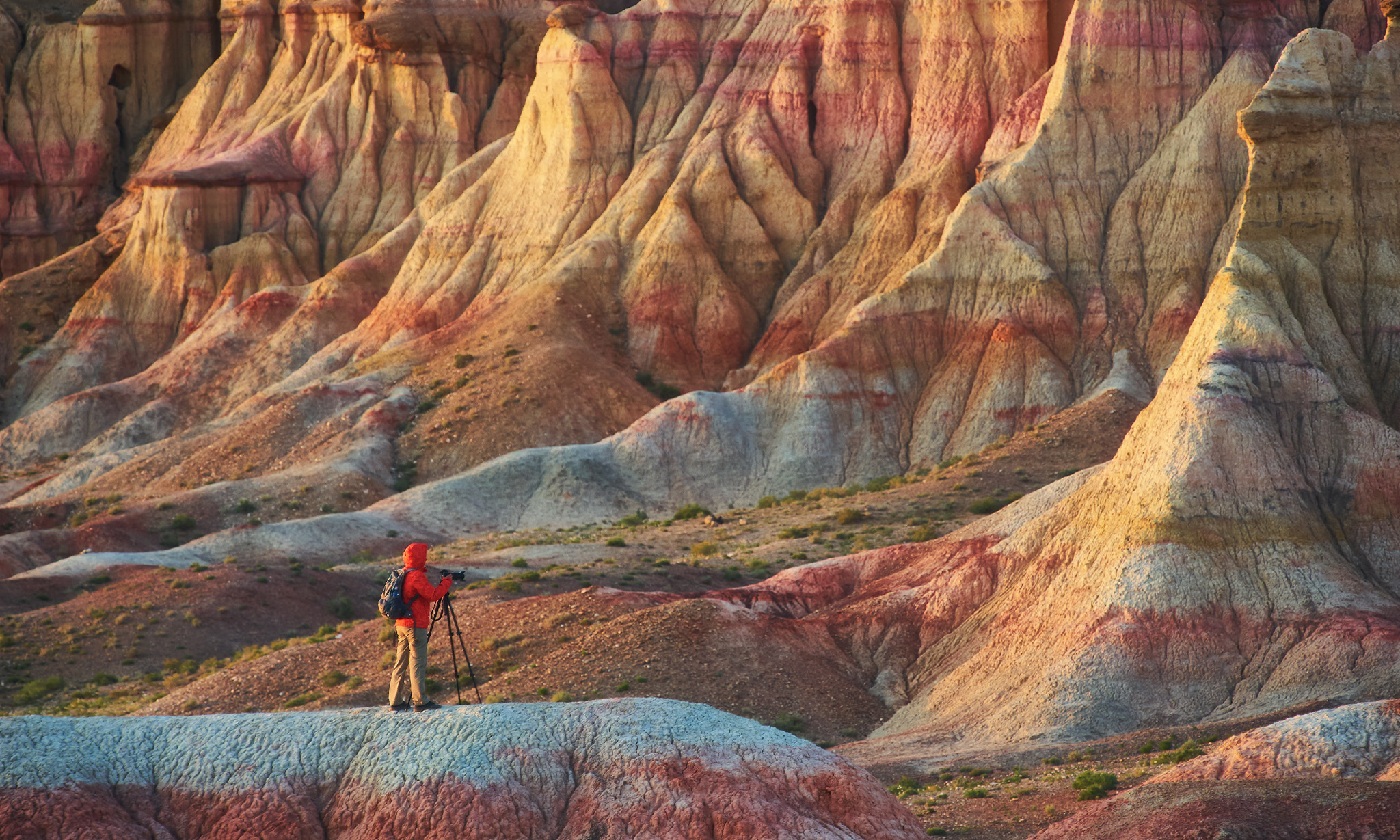
Rising from the desert floor, Tsagaan Suvarga, or White Stupa, resembles the eroded remains of a settlement carved from stone. These towering limestone formations were once part of an ancient seabed, their layers marking millions of years of geological change.
The site is especially striking in the early morning or late afternoon, when shadows emphasize their texture and scale. Standing at the base of Tsagaan Suvarga offers a humbling perspective on time and nature, making it a powerful addition to any itinerary while visiting the Gobi Desert.
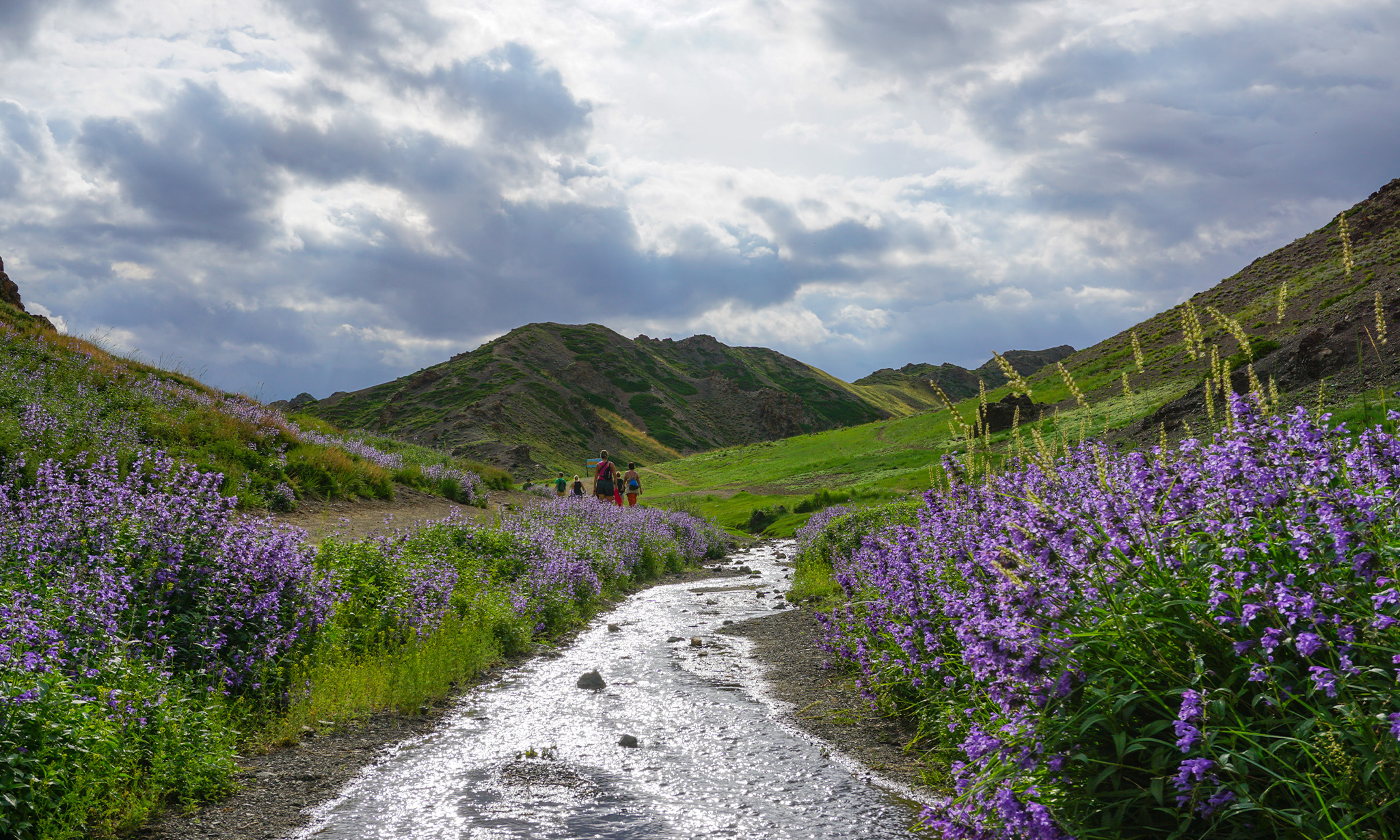
Yol Valley (Yolyn Am)
Tucked into the foothills of the Altai Mountains, Yol Valley feels like a secret oasis within the desert. Named after the bearded vultures that soar overhead, this narrow gorge surprises visitors with its lush vegetation and lingering ice fields that can last well into summer.
A gentle hike through the valley reveals alpine scenery that contrasts sharply with the surrounding desert. Along the way, you may spot ibex, argali sheep, and other wildlife adapted to this unique environment. Yol Valley offers a refreshing reminder of the Gobi’s ecological diversity and adds depth to the experience of visiting the Gobi Desert.

Tugrugiin Shiree
Tugrugiin Shiree is a profoundly important site in the southern Gobi. This white sandstone escarpment is where the famous “Fighting Dinosaurs” fossils were discovered, capturing a Velociraptor and Protoceratops locked in combat.
The site helped elevate Mongolia’s reputation as one of the world’s most significant regions for dinosaur research, with over 40 dinosaur species identified across the country. Visiting Tugrugiin Shiree feels contemplative, offering a chance to reflect on deep time and the ancient stories preserved beneath the desert surface.
Activities at Three Camel Lodge
While the landmarks draw travelers to the region, it is often the day-to-day experiences that leave the strongest impression. At Three Camel Lodge, activities are designed to deepen your connection to the land, its people, and the rhythms of life in the Gobi Desert.
Camel Trekking
Camel trekking offers an intimate way to experience the desert while honoring the traditions of the region’s nomadic families. Riding atop a Bactrian camel, you move at a pace that encourages observation and presence, allowing the landscape to unfold slowly around you.
Many excursions include visits with local herding families, where guests are welcomed into gers and offered a glimpse into daily life in the Gobi. These interactions often become a favorite memory of visiting the Gobi Desert, thanks to the warmth and generosity extended by the families who call this place home.
Hiking and Nature Walks
Guided hikes near the lodge introduce guests to the subtle beauty of the desert, from hardy plant life to distant mountain ridges. These walks are suitable for a range of fitness levels and can be tailored with a specific focus on wildlife spotting or photography, or simply enjoying the stillness of the landscape.
Without the distractions of modern life, hiking in the Gobi encourages a deeper sense of awareness. The quiet is profound, broken only by the wind or the call of a bird overhead, creating a space that feels both peaceful and grounding.

Cultural Visits
Understanding the Gobi means understanding its people. Cultural visits arranged through the lodge offer insight into Mongolia’s nomadic heritage, which continues to shape life in the region today.
Guests may visit nearby communities to learn about traditional herding practices, education in remote areas, and the balance between modern needs and ancestral customs. These experiences add important context to visiting the Gobi Desert, transforming it from a destination into a lived-in landscape with enduring traditions.

Stargazing
With virtually no light pollution, the night skies above Three Camel Lodge are extraordinary. Stargazing here reveals constellations, planets, and the Milky Way in stunning clarity, often visible to the naked eye.
Evenings spent under the stars offer a counterpoint to daytime exploration. Wrapped in warm layers, guests can reflect on the day’s adventures while taking in the vastness of the sky, a moment that feels both humbling and deeply calming.
A Thoughtful Way to Experience the Gobi Desert
Visiting the Gobi is as much about how you travel as where you go. Three Camel Lodge was created with sustainability and cultural respect at its core, ensuring that tourism supports local communities while preserving the fragile desert environment.
With expert guides and thoughtfully curated excursions, guests are encouraged to explore at a pace that allows for curiosity and genuine connection. Whether you are drawn to the region’s iconic landmarks or its more intimate moments, the lodge provides a framework that balances comfort with authenticity.
For those seeking a deeper understanding of Mongolia’s landscapes and traditions, visiting the Gobi Desert through Three Camel Lodge offers an experience that lingers long after you leave. It is a journey shaped by vast spaces, ancient history, and the enduring spirit of the desert, one that invites you to see the world a little differently.