
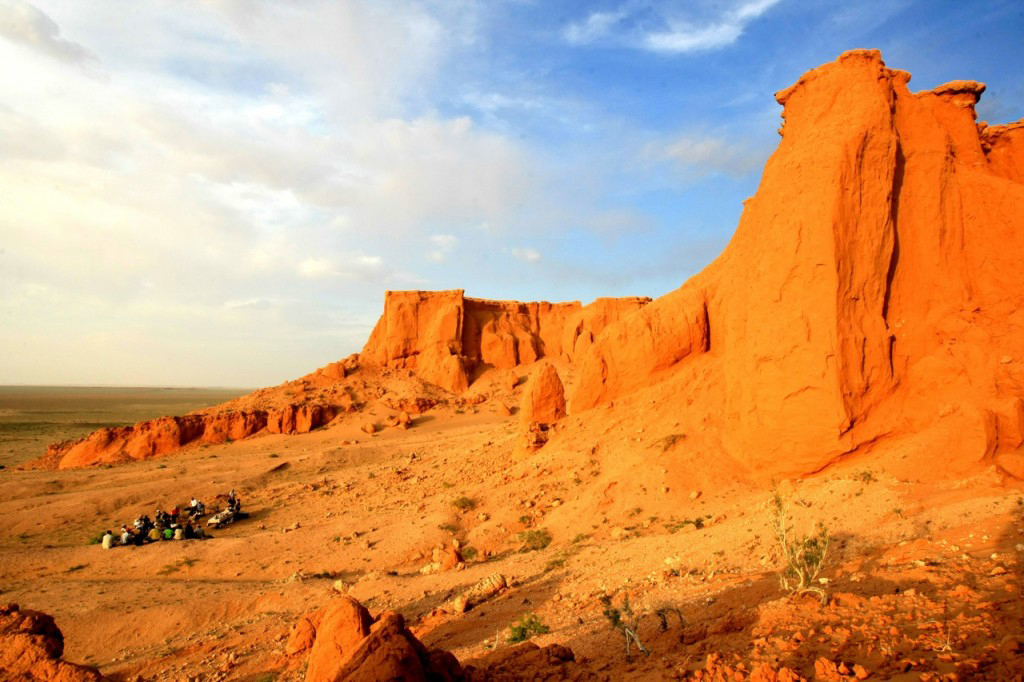
You’ll never forget your first glimpse of the Flaming Cliffs – those fiery red formations glowing against the wide, open expanse of the Gobi Desert. Known locally as Bayanzag, this dramatic landscape is one of Mongolia’s most iconic natural wonders. It’s a place where geological marvels, scientific discovery, and centuries of history converge. Whether you’re drawn by the romance of exploration or the richness of Mongolia’s cultural past, the Flaming Cliffs hold something truly unforgettable.
But beyond the breathtaking views lies a story worth telling. For travelers who crave more than just photo opportunities, the Flaming Cliffs offer a rare combination of natural wonder and historical depth. From ancient trade routes and revolutionary resistance to one of the most important paleontological discoveries of the 20th century, this is a place where history is literally embedded in the Earth. For both adventure seekers and history enthusiasts, it’s one of the most powerful stops in the Gobi Desert.
A Landscape Formed by Time: How the Flaming Cliffs Were Created
Geologically, the Flaming Cliffs are the result of millions of years of sedimentation and erosion. Composed of iron-rich sandstone and siltstone dating back to the Late Cretaceous period, the cliffs owe their fiery color to the oxidization of minerals within the rock. Wind and seasonal rains have shaped the site into an array of jagged ridges, narrow canyons, and sweeping plateaus. The result is a constantly changing landscape that seems to glow with every shift in light, especially during sunrise and sunset.
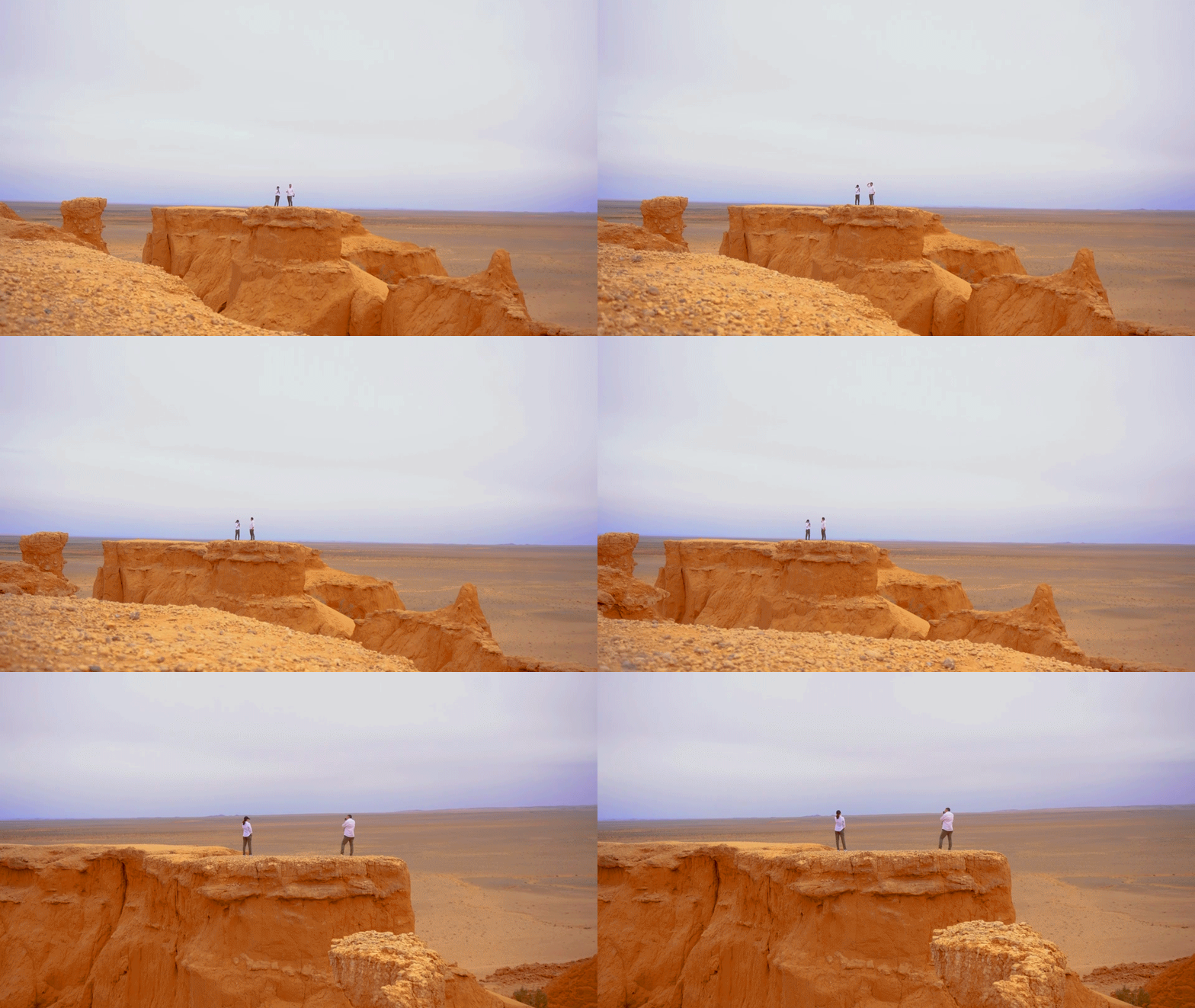
For geology lovers and outdoor adventurers, it’s a playground of scale and form. Unlike other fossil-rich areas that are often closed off, Bayanzag invites exploration. You can walk among the cliffs and see up close how nature’s forces have carved and reshaped the land. It’s not uncommon to stumble across exposed rock layers, animal tracks, and even small fossil fragments embedded in the sandstone. The rawness of the terrain, paired with its visible history, makes this an ideal destination for travelers looking to witness Earth’s story unfold under their feet.
Dinosaur Discoveries at Bayanzag
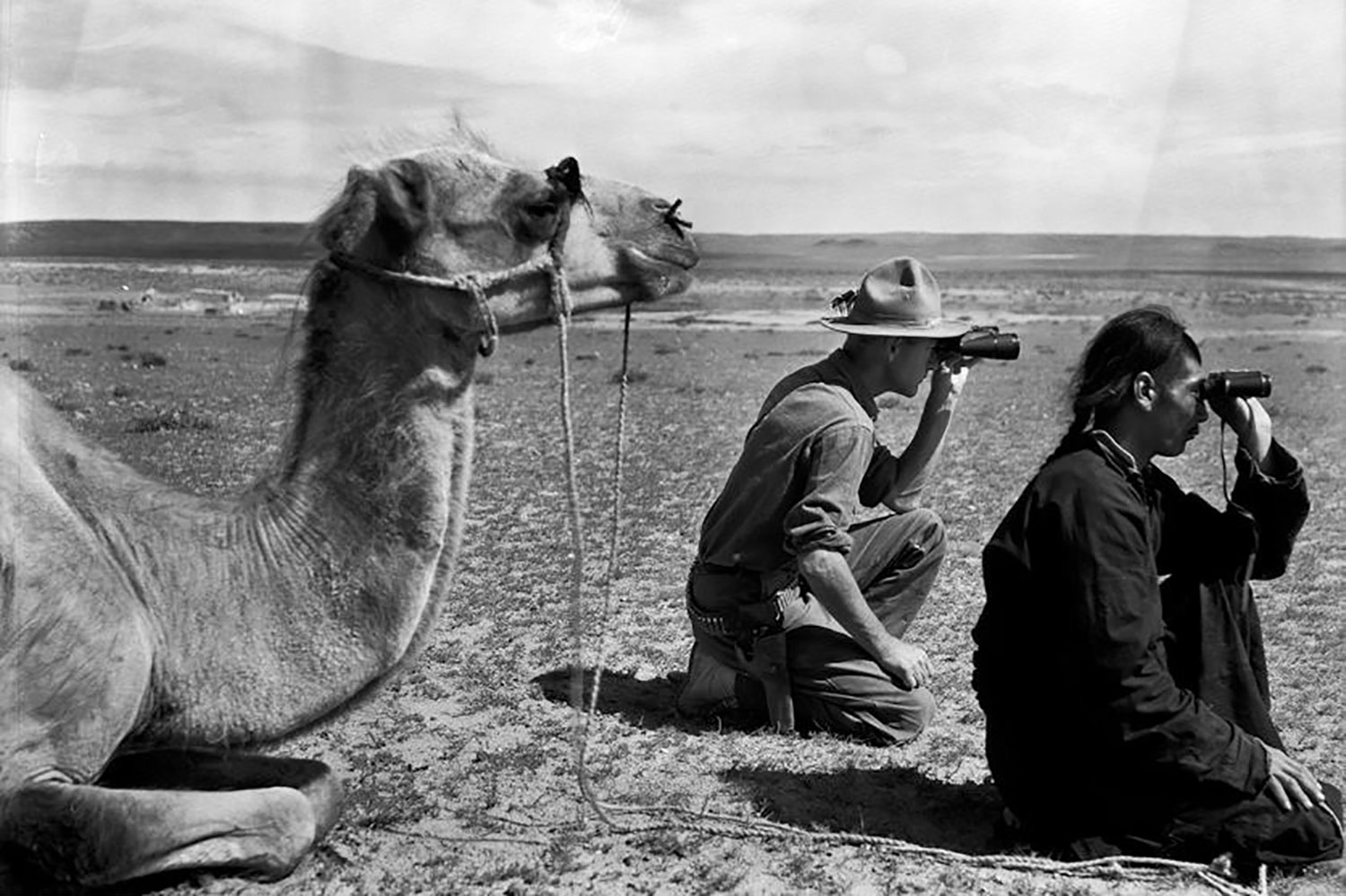
The Flaming Cliffs stepped into the global spotlight in 1920, thanks to a twist of fate and the adventurous spirit of Roy Chapman Andrews. While leading the Central Asiatic Expedition through Mongolia, Andrews and his team stopped at Bayanzag for what was supposed to be a brief rest. During their stay, one team member wandered into the cliffs – and stumbled upon something extraordinary. Nestled within the sandstone were fossilized dinosaur eggs, the first ever discovered by scientists. What followed was one of the most important paleontological findings of the 20th century.
Andrews named the site the “Flaming Cliffs” after watching the sun set over the red stone, casting the whole landscape in a fiery glow. Since that first discovery, over 300 dinosaur fossils have been unearthed here, including species previously unknown to science. The area continues to be a destination for researchers, supported by institutions like the American Museum of Natural History and The Nature Conservancy. However, for every find by a researcher, others have been lost to poaching, making responsible visitation and conservation support more important than ever. For travelers fascinated by science and adventure, this is sacred ground.
Visiting the Flaming Cliffs with Three Camel Lodge
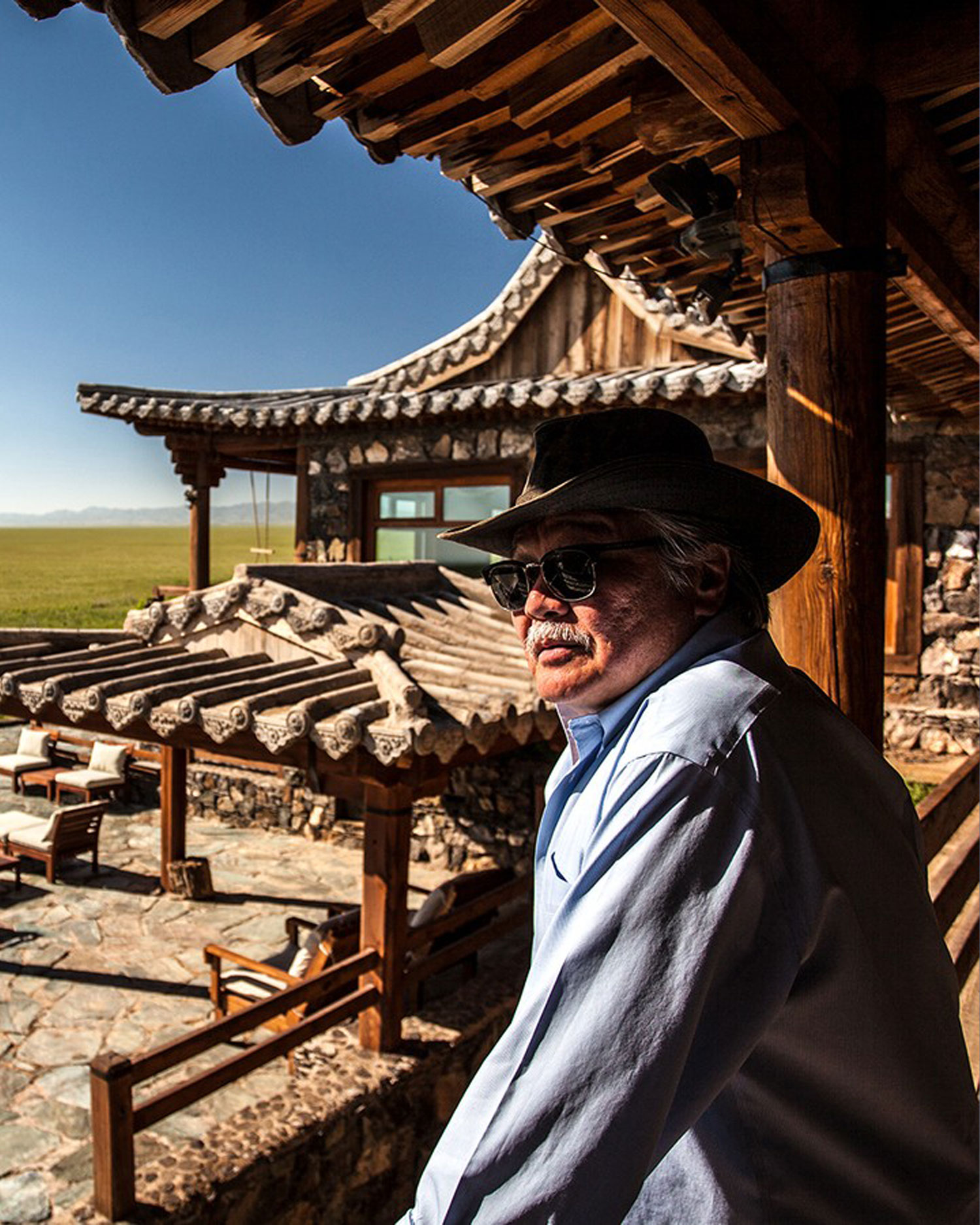
Whether you stay at our award-winning Three Camel Lodge or travel on a guided expedition through Nomadic Expeditions, you’ll have the opportunity to visit this extraordinary site in a way that goes far beyond the surface. Our excursions often include guided walks through the cliffs, storytelling that brings the site’s history to life, and sunset moments you’ll carry with you long after you leave.
For adventure seekers, history lovers, and curious minds alike, the Flaming Cliffs are more than just a destination – they’re a revelation.