Countryside Naadam: Mongolia’s Most Authentic Festival

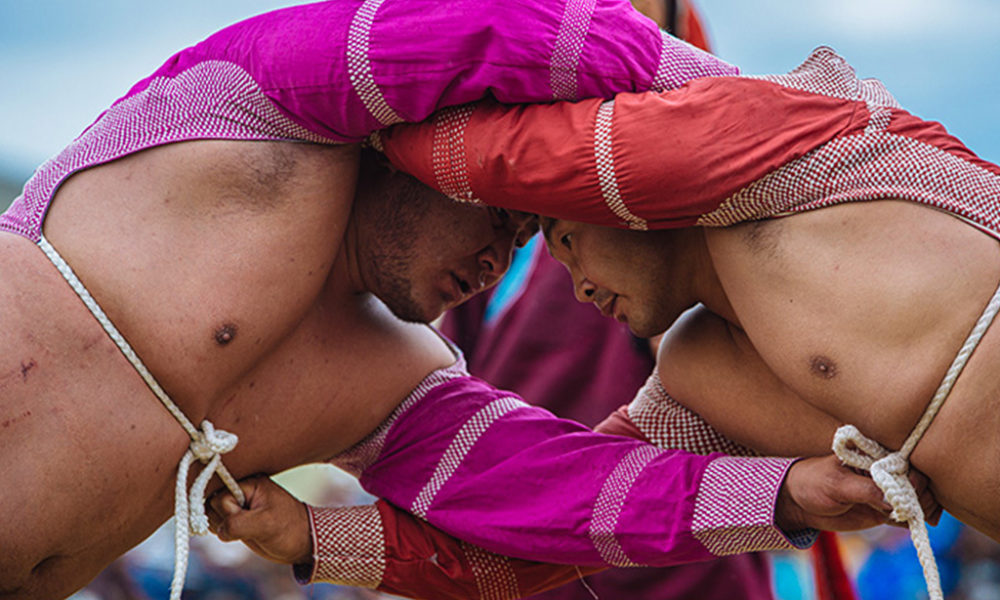
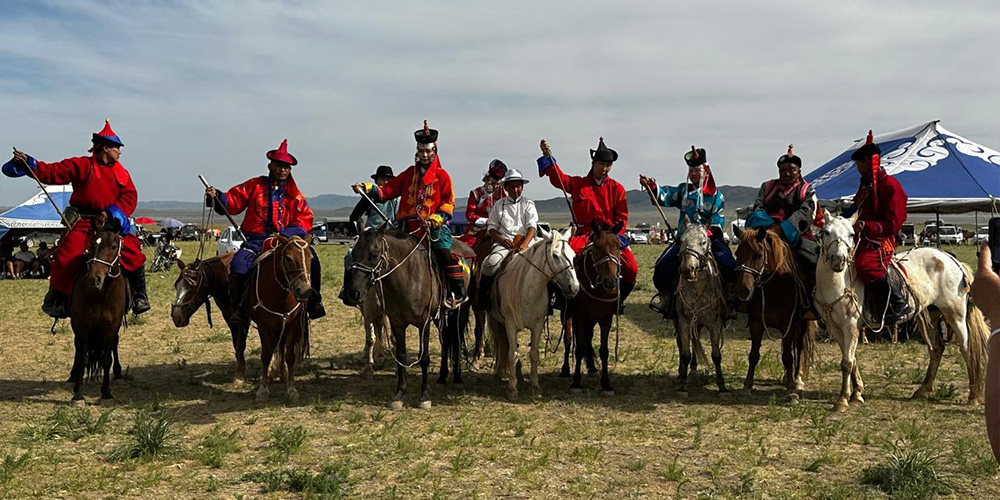
Every July, Mongolia comes alive with color, music, and movement for its most anticipated celebration of the year: Naadam. The main festivities take place in Ulaanbaatar, where crowds fill the national stadium, but the magic of a countryside Naadam lies far from the capital, across the grasslands and in the small villages near Three Camel Lodge.

Read more “Countryside Naadam: Mongolia’s Most Authentic Festival”

Khankhongor School 2025: Preserving Mongolia’s Cultural Treasures

Khankhongor School 2025: Preserving Mongolia’s Cultural Treasures

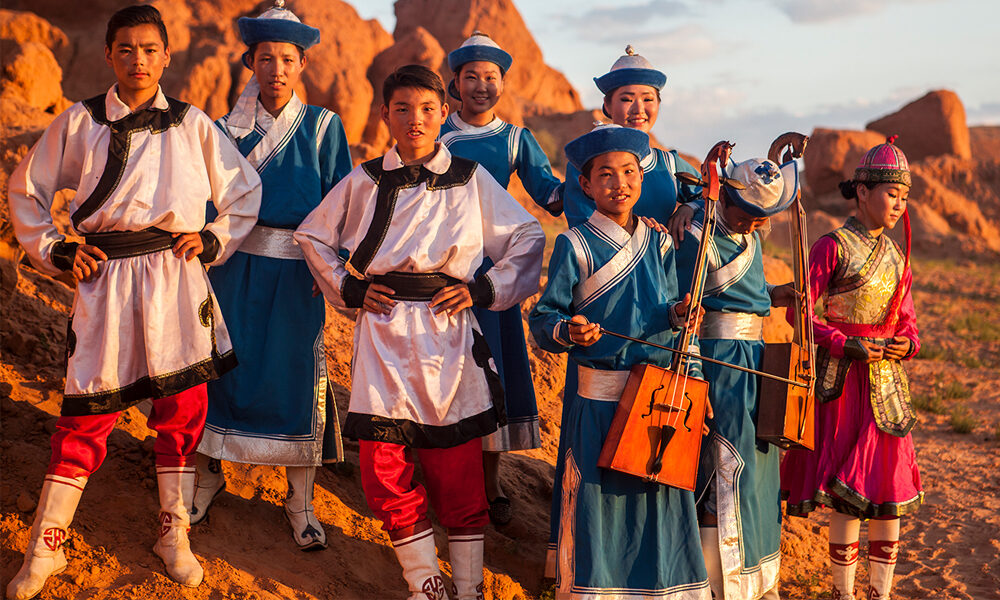
Cultural preservation is woven into the heart of Three Camel Lodge. For 15 years, we’ve been proud to support students at the Khankhongor School in the Gobi, where young dancers and musicians dedicate themselves to keeping Mongolia’s traditions alive. Guests at the lodge often see these students perform, and each performance becomes more than entertainment. It is a moving reminder of how history and heritage are carried forward by the next generation. Read more “Khankhongor School 2025: Preserving Mongolia’s Cultural Treasures”

A Kalmyk Tibetan Family’s Trip to the Gobi

Living in New York City, I often find myself longing for something beyond the daily grind, the vast, open skies of Mongolia, herds of wild yaks and horses grazing freely, and the endless beauty of the steppe stretching before me. Beyond the landscape, I longed to be in a place that would immediately feel at home, as if returning to something I had always carried within me.  Read more “A Kalmyk Tibetan Family’s Trip to the Gobi”

The Traditional Instruments of the Mongols

Mongolian Music and Instruments: The Enchanting Sounds of the Steppe

When you travel to Mongolia, you’ll discover a rich musical culture that reflects the country’s customs and traditions. Traditional instruments of Mongolia are divided into categories like strings, wind, struck, bowed, and percussion. These are classified as either indigenous or adopted and modified from neighboring ethnic groups or conquered countries. Read more “Mongolian Music and Instruments: The Enchanting Sounds of the Steppe”

Naadam in Mongolia: The National Festival vs. the Countryside Festivals

Most travelers heading to Mongolia are intrigued by the annual Naadam Festival, the country’s traditional summer games. The games began more than 1,000 years ago and were created to ensure soldiers remained in shape during times of peace and consist of three events; wrestling, archery, and horse racing. The largest and most spectacular festival takes place in the capital of Ulaanbaatar on July 11 – 13. Over the summer, every province in Mongolia holds its own regional Naadam festivals.

Read more “Naadam in Mongolia: The National Festival vs. the Countryside Festivals”

A Nomadic Herder

The Nomadic Lifestyle: A Lesson in Harmony with the Earth

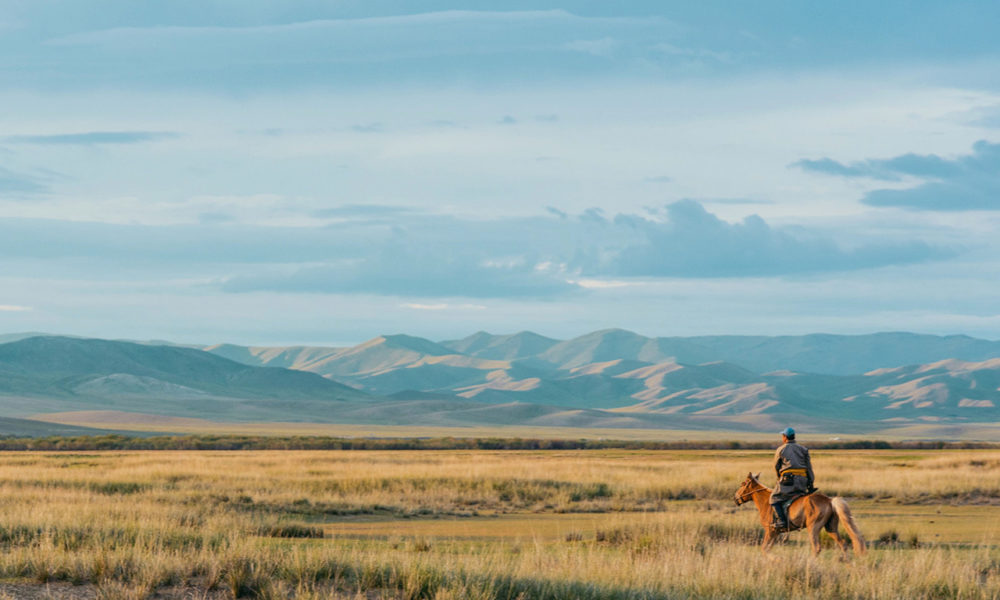
Today the world is changing faster than we can comprehend, and it is all because of the industrial and technological advances of mankind. But on the Central Asian Plateau, a timeless way of life persists. Specifically in Mongolia, where Bronze Age nomadic tribes once roamed the steppes and the high mountains, their modern-day descendants today continue to live in coexistence with the environment.

Read more “The Nomadic Lifestyle: A Lesson in Harmony with the Earth”

Sustainable Shopping in Mongolia

We at the Three Camel Lodge are frequently asked for recommendations of the best shopping in Mongolia, which is renowned for its wool garments, hand-woven textiles, and traditional handcrafts.

Our store at the lodge makes available a full assortment of products produced by Mongolian vendors, whom we select based upon the quality of their products, and the extent to which their business benefits local communities.

Read more “Sustainable Shopping in Mongolia”

Three Camel Lodge Sustain 04

10 Surprising Facts About The Ger

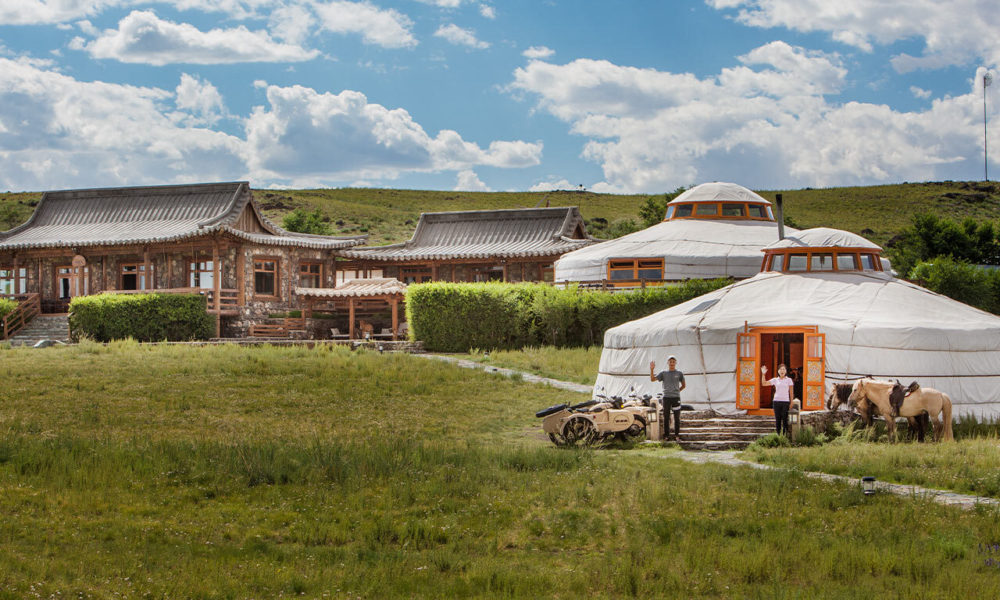
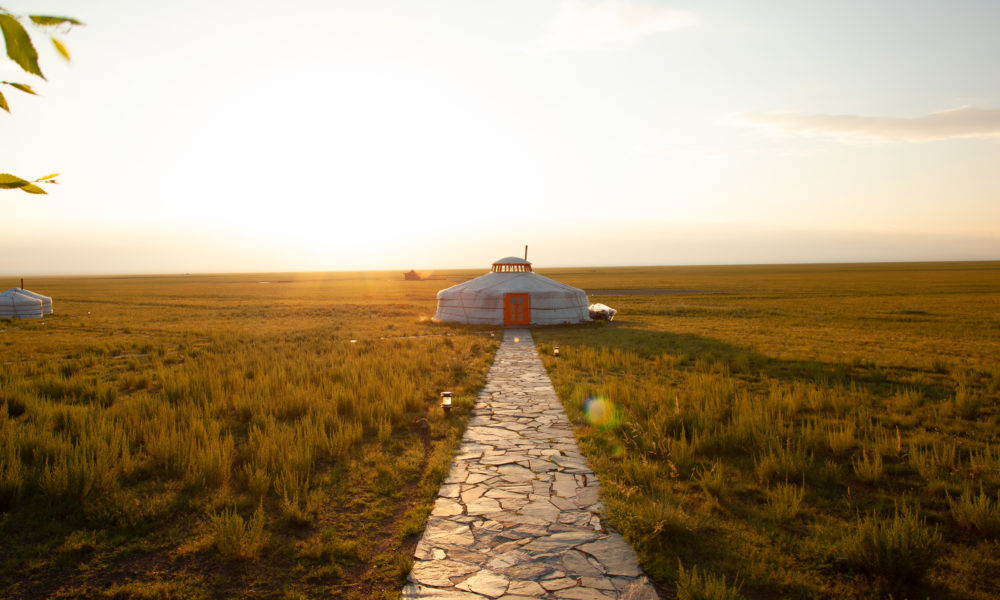
The ger (pronounced ‘gaire’) presents a lovely window into the history and culture of Mongolia’s nomadic people. Ger is the Mongolian name for the portable, round tent dwelling used by distinct nomadic groups in the steppes of Central Asia. Also called a yurt (from the Turkic lnaguages), ger are traditionally constructed of a supported crown (roof ring), roof poles, wood latticework walls, and covered with felt—the dome skylight is open, with a woodstove chimney, and the door faces south. A marvel of ingenuity, the ger heartily withstands harsh winter winds, and radiates warmth within its insulation. The following facts about the ger are yet more intriguing. Read more “10 Surprising Facts About The Ger”

Stay Connected
to the Gobi

Get insider updates, stories,
and cultural highlights.

  • This field is for validation purposes and should be left unchanged.