When travelers picture the Gobi Desert, they often imagine dunes and silence stretching to the horizon. Yet the Gobi is alive with movement and song—home to remarkable animals that have mastered survival in one of the harshest landscapes on Earth. To see a herd of khulan race across the steppe or hear the dawn call of a lark is to witness the true spirit of the desert.
At Three Camel Lodge, our guides know where these animals can be found in their natural habitats, from open plains to rocky ridges. Each encounter—whether fleeting or close—offers a glimpse into the resilience of this living desert.
Here are twelve remarkable animals of the Gobi Desert that remind us this is not an empty land, but a living one.
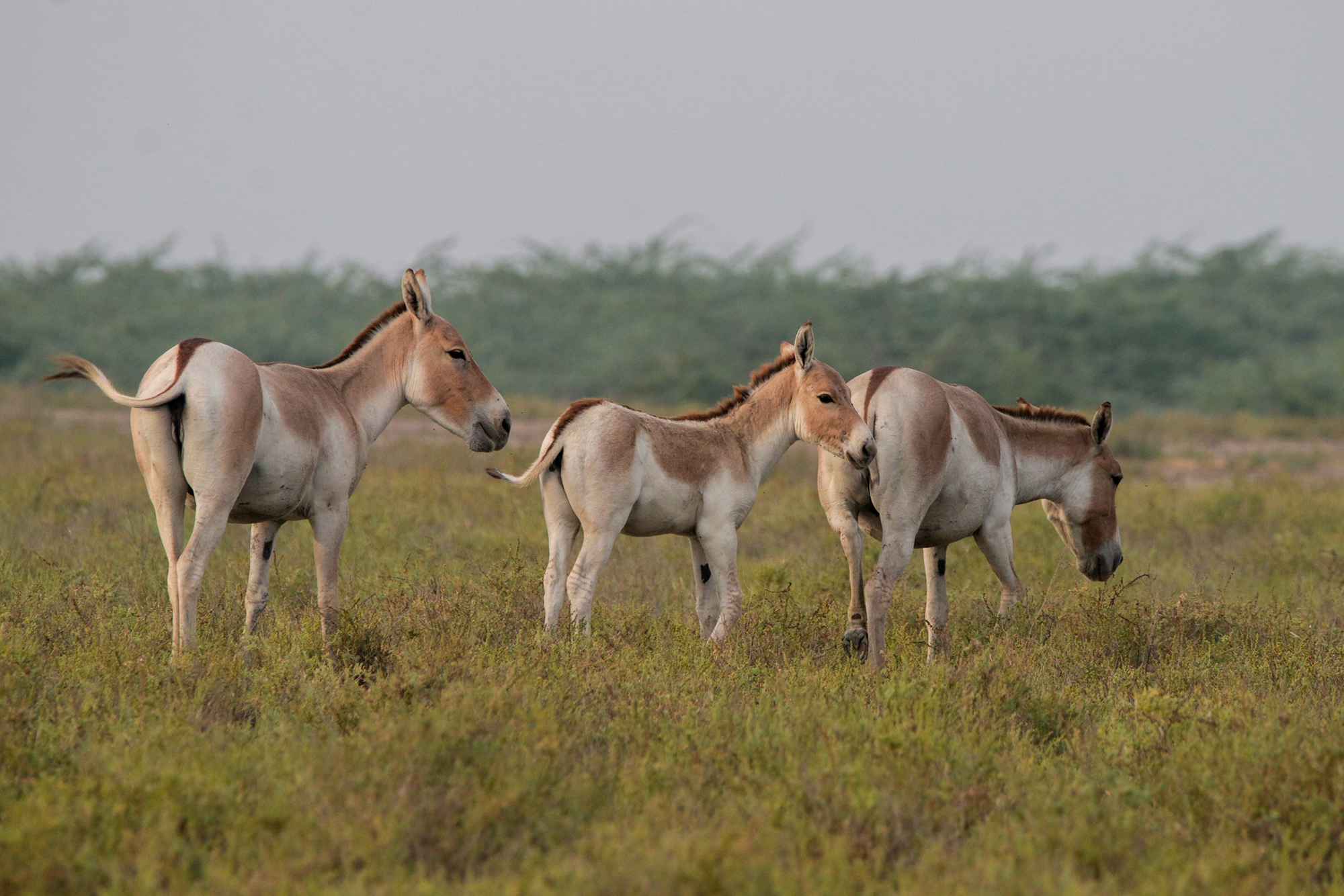
Asiatic Wild Ass (Khulan)
The Asiatic wild ass, or khulan, is a symbol of the open Gobi steppe. Built for both speed and stamina, khulan are capable of covering incredible distances as they search for food and water.
Although Mongolia supports the world’s largest remaining population of Asiatic wild ass, human presence and vehicle traffic have gradually shifted their ranges. Once common near Gobi Gurvansaikhan National Park, khulan now avoid areas of heavy disturbance, favoring more remote habitats. They are most reliably seen in the open steppe east of Three Camel Lodge, roughly 150 kilometers away, or in the southern plains about 100 kilometers distant. Some herds also roam westward, up to 200 kilometers from the lodge.
Although considered common here, khulan are under pressure. Illegal hunting, competition with domestic livestock, and reduced access to water continue to threaten their numbers. Still, their resilience makes them one of the Gobi’s most inspiring animals.
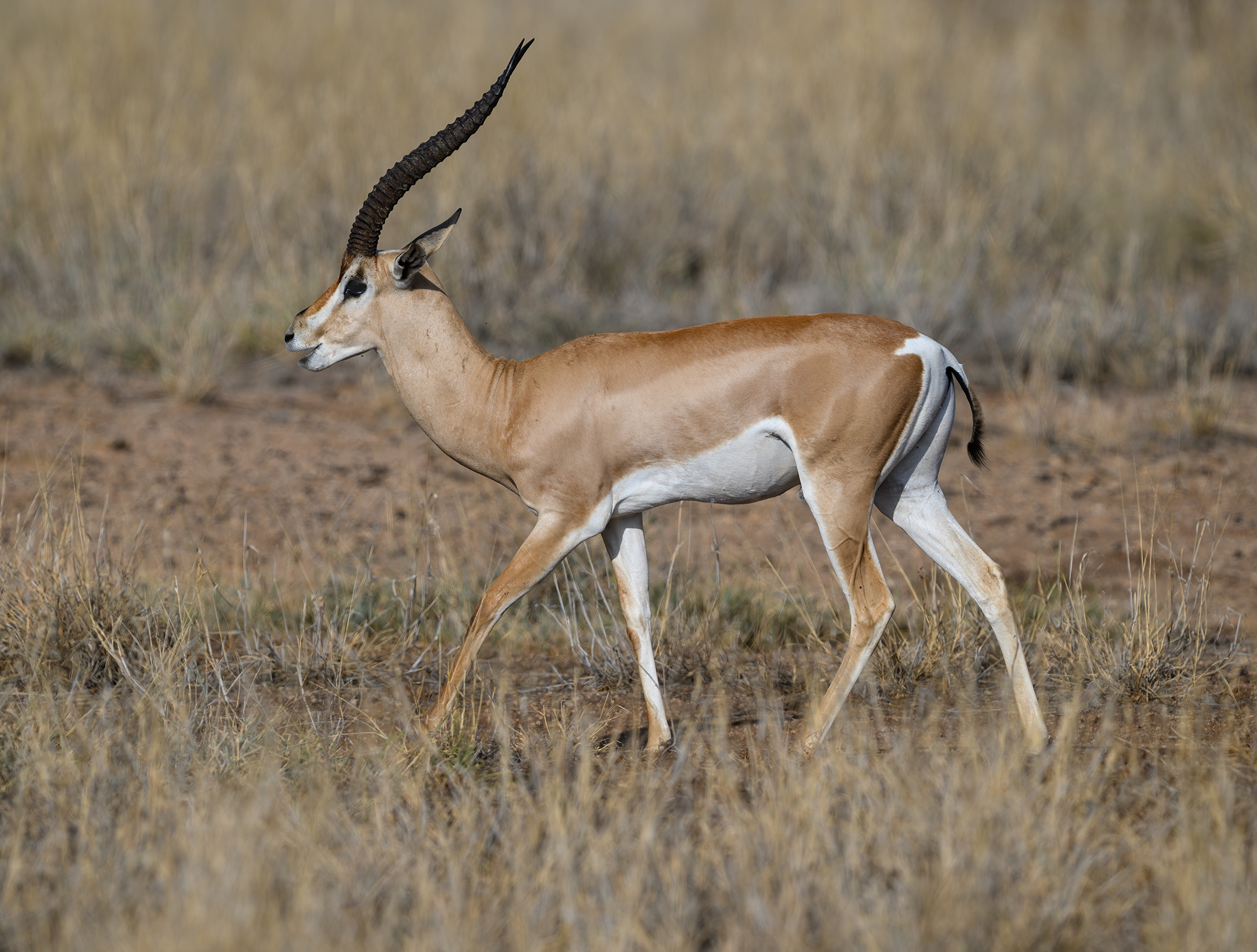
Black-Tailed (Goitered) Gazelle
Graceful and swift, the black-tailed gazelle brings a sense of elegance to the desert’s wide-open spaces. These light-bodied antelopes are adapted perfectly to the arid steppes, their keen senses and speed giving them an edge against predators.
Sandy plains and low dunes are the gazelle’s favorite terrain. In spring and summer, they graze the open steppe, moving with surprising energy across the desert. By autumn, they migrate across the sand-steppes, sometimes in small herds, while winter drives them to find shelter among shrub-covered dunes.
Despite being fairly common, black-tailed gazelles face serious challenges. Habitat degradation caused by overgrazing, poaching, and shifting climate patterns has impacted their numbers. Yet spotting one is still possible and often magical.

Argali Sheep
Known as the largest wild sheep in the world, it carries massive curling horns that can weigh as much as an entire corsac fox. These horns, combined with its muscular frame, make the argali a striking presence against the rocky backdrop of the desert’s ridges.
Travelers may encounter argali in the rocky ridges and slopes of the Gobi Gurvansaikhan Mountains. In spring, they graze lower areas, moving to higher slopes during the summer months. By autumn, the rutting season begins, with males clashing in dramatic displays of dominance. In winter, they retreat to sheltered valleys, conserving energy in smaller groups.
Argali are now protected under Mongolian law, and hunting them is strictly prohibited. These measures have helped keep populations somewhat steady, though they remain vulnerable to habitat pressure and competition with livestock.

Siberian Ibex
These stocky mountain goats are true athletes of the cliffs, with long, backward-curving horns and muscular bodies built for steep, rocky terrain. Watching them scale near-vertical slopes with ease leaves travelers humbled by nature’s adaptations.
Siberian ibex are best found on the escarpments and rocky slopes of Gobi Gurvansaikhan. In spring and summer, they graze on higher slopes, seeking fresh vegetation. As colder months arrive, they move down into rocky valleys where food is more accessible. Their seasonal shifts make them an integral part of the mountain ecosystems that border the Gobi’s plains.
Ibex are legally protected in Mongolia, with hunting prohibited by law. Populations are therefore relatively stable, though continued threats from habitat disturbance and competition with livestock mean their survival depends on ongoing conservation.

Corsac Fox
The corsac fox is small and pale-coated, with a bushy tail that seems almost oversized for its body, blending easily into the desert landscape. Although mostly nocturnal, corsac foxes are sometimes seen during the cooler parts of the day, adding a delightful surprise to desert excursions.
These foxes favor dunes, open plains, and semi-desert scrub, particularly around areas like Khongoryn Els. In spring and summer, they hunt rodents and insects with quiet precision, using their sharp senses to detect prey beneath the sand. As autumn and winter approach, they tend to expand their range and cache food to prepare for leaner months.
The corsac fox faces threats from hunting for its fur, habitat loss, and declining prey availability. Yet it remains an adaptable survivor.

Domestic Bactrian Camel
For centuries, the Bactrian camel has been the backbone of nomadic life in Mongolia. With two humps and the ability to thrive in extreme conditions, these animals are perfectly suited for desert living. They provide transport, wool, and milk, and their silhouettes define the horizon of the steppe.
Around Three Camel Lodge, travelers frequently encounter Bactrian camels, whether near herder camps, wandering across the Moltsog Els dunes, or grazing in the open steppe—not to mention our camel riding excursions.
Although domestic herds remain common, the traditions of camel herding face modern challenges. Shifts in livelihoods and climate pressures on pastureland have begun to reshape the role of these animals. Yet they endure, not only as working partners but as cultural symbols.
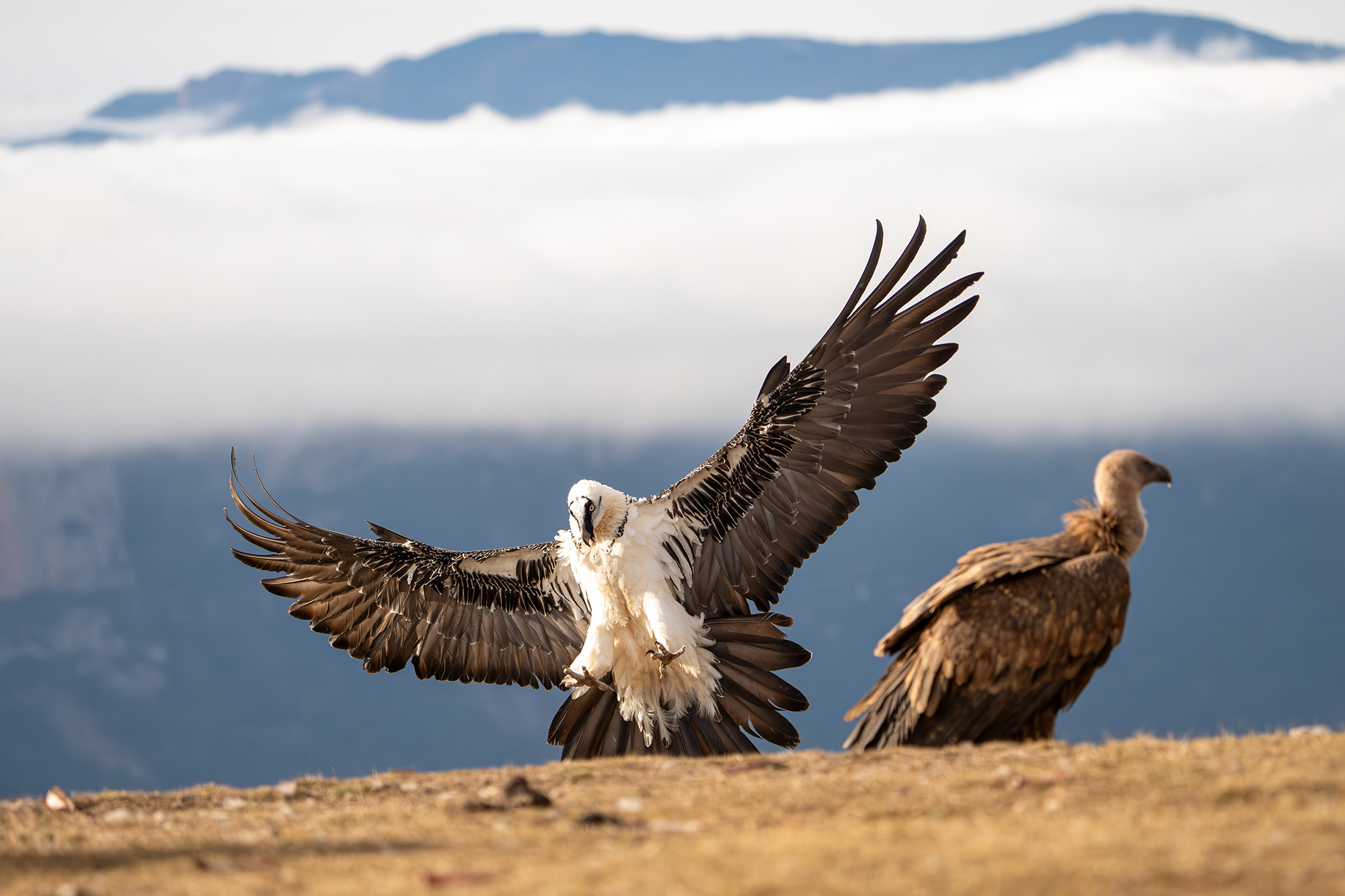
Lammergeier (Bearded Vulture)
High above the desert ridges, the lammergeier commands the skies. Also called the bearded vulture, this striking bird is best known for its unusual diet: it feeds primarily on bones. By dropping them from heights onto rocks, it cracks them open to reach nutrient-rich marrow—a behavior that has fascinated travelers and scientists alike.
Yolyn Am gorge is one of the best places to spot lammergeiers. Year-round, they soar gracefully over mountains and ridges, scanning for remains of wild ungulates. Their wingspan and distinctive beard-like feathers give them a unique silhouette that’s hard to miss.
Like many large raptors, lammergeiers face dangers from poisoned carcasses, nest disturbance, and collisions with power lines. Yet their presence is essential, helping recycle nutrients and maintain balance in the ecosystem.
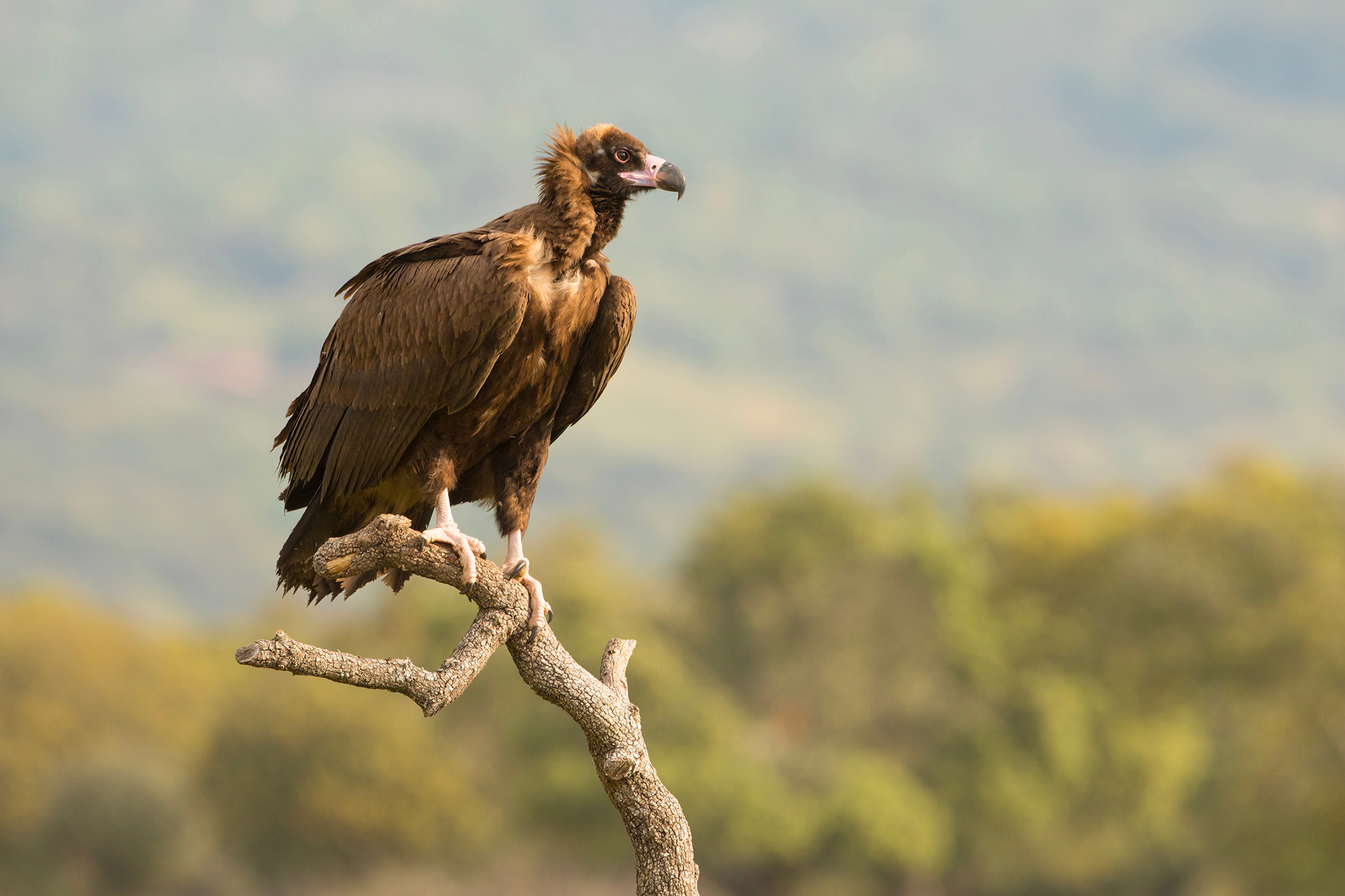
Cinereous Vulture
The cinereous vulture is among the largest birds of prey in the world, with a wingspan that can exceed three meters. Their dark plumage and commanding flight make them a powerful presence across the Gobi’s wide skies.
Travelers often spot them on the open steppe or mountain foothills, especially in late spring and summer when they breed. In autumn, some move to more temperate zones, though many remain throughout the year. Their role is vital: as scavengers, they help clean up carcasses, keeping the desert’s ecosystems in balance.
Unfortunately, cinereous vultures face threats from habitat loss, poisoned carcasses, and declining numbers of wild ungulates.
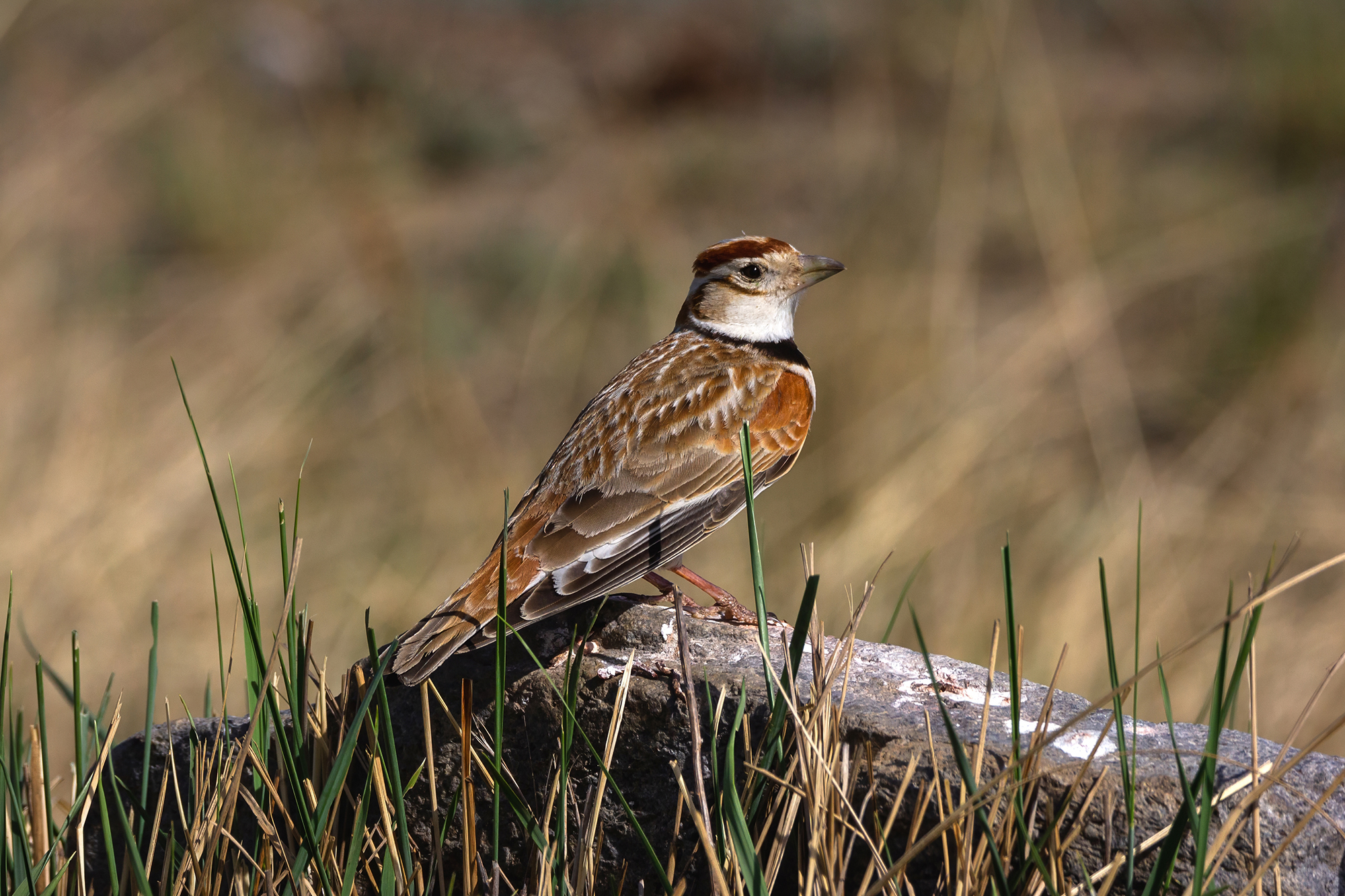
Mongolian Lark
The Mongolian lark is the voice of the steppe. With its long tail streamers and melodic calls, it fills the desert with song during spring and summer.
Open grasslands and semi-desert plains, especially near Bulagtai, are home to these abundant birds. In spring, their songs carry across the steppe as they breed and raise chicks. By autumn, they gather in vast flocks, creating dramatic spectacles as they migrate.
Although very common, Mongolian larks face pressures from habitat loss caused by agriculture and overgrazing. Yet their presence remains strong: their songs echoing over the plains, leaving the desert not silent, but alive with music.
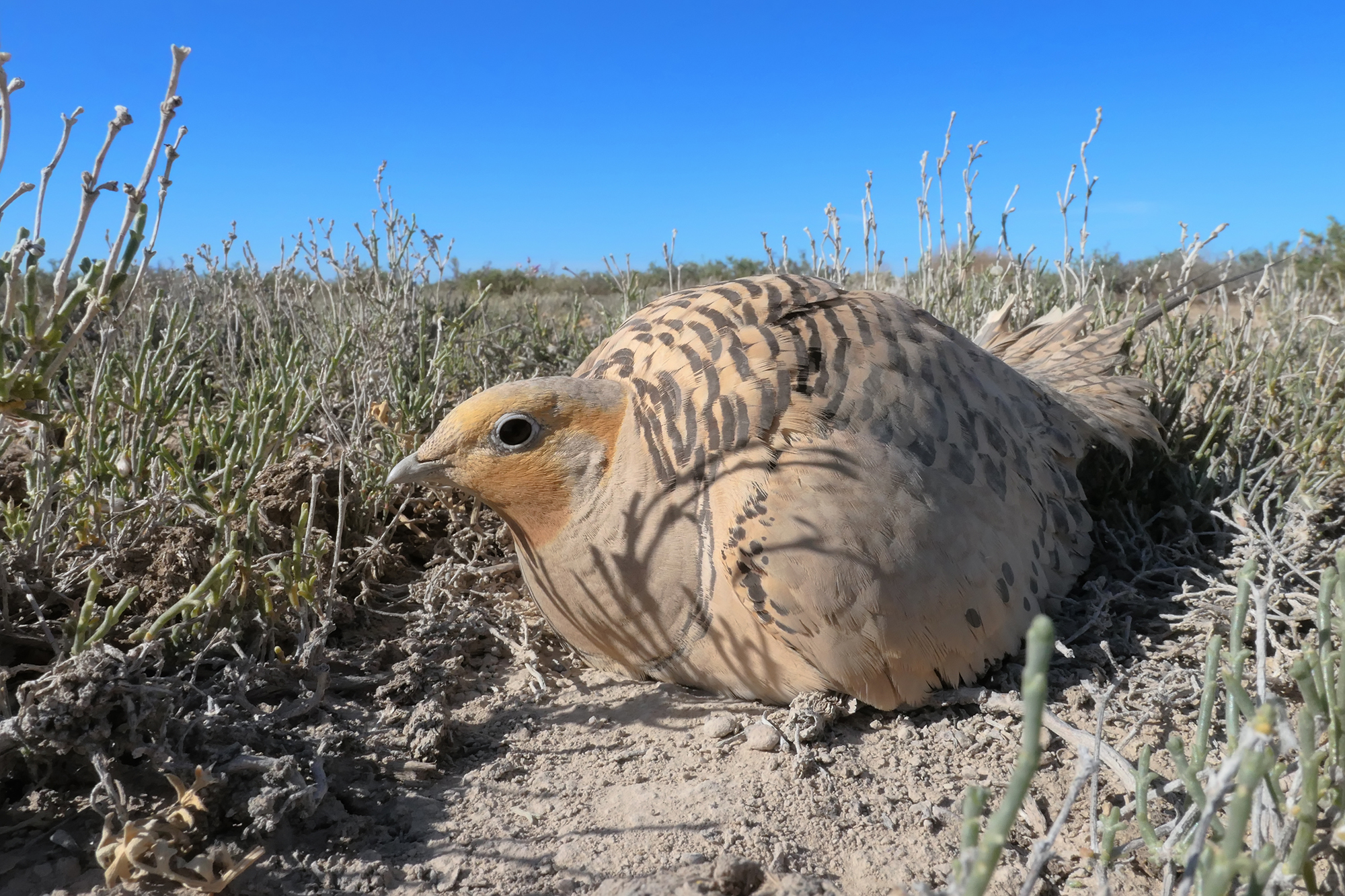
Pallas’s Sandgrouse
The Pallas’s sandgrouse is perfectly adapted to desert life, with a compact body and pointed tail feathers. What makes them truly remarkable is the way males carry water: they soak it into their belly feathers and fly it back to chicks waiting at the nest.
Sandy plains and dune edges near waterholes are the best places to spot these birds. In spring and summer, gatherings around breeding sites are common and fascinating to observe. By autumn, sandgrouse migrate across the steppe, their soft calls adding a subtle soundtrack to desert travel.
Despite their resilience, sandgrouse are vulnerable to disturbances at breeding sites and reductions in water sources. Yet they continue to endure, a testament to the quiet ingenuity of desert evolution.

Pallas’s Pika
Small, quick, and endlessly busy, Pallas’s pika is one of the Gobi’s most endearing residents. With no visible tail and a distinctive squeak, they dart among rocks with constant energy.
They thrive in rocky habitats and canyons, especially places like Yolyn Am. During the warmer months, they gather grasses and store them in “haystacks,” carefully built food caches that sustain them through winter. When the cold season arrives, they shelter in crevices, conserving energy until conditions improve.
Though common, pikas face real threats. Climate change, which impacts snow cover, and predation by foxes and raptors affect their survival. Still, their industrious habits and cheerful calls make them unforgettable.

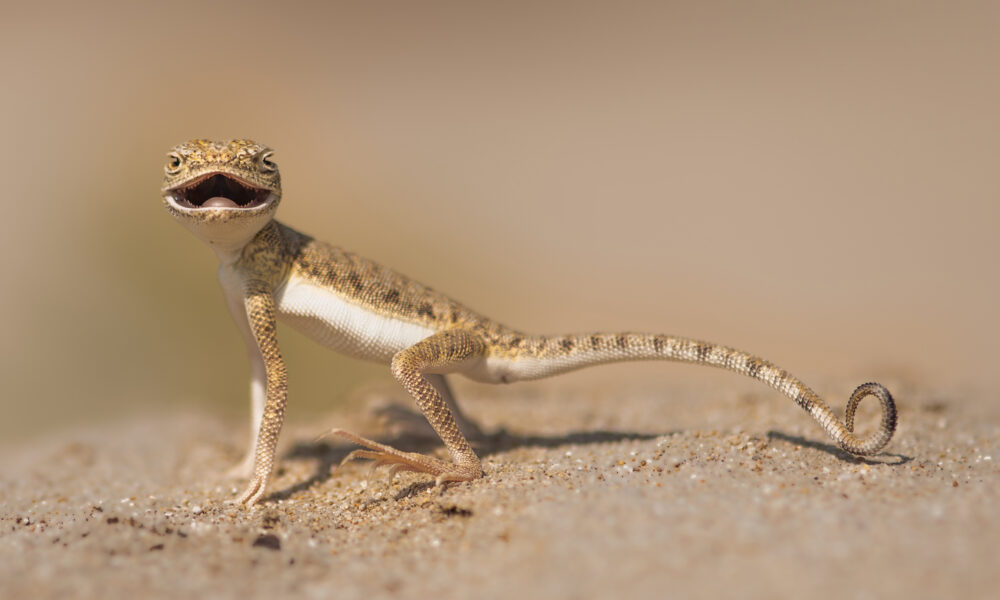
Toad-Headed Agama
On the sandy flats and rocky slopes of the Gobi lives the toad-headed agama, a small lizard with remarkable camouflage. Its flat head and sand-colored body allow it to vanish almost entirely into its surroundings.
These reptiles are most active in the warm months of spring and summer. Travelers walking near Khongoryn Els or the Bulagtai foothills may see them scurrying across the sand or basking on warm rocks. In colder months, they retreat underground, conserving energy until the desert heats up once again.
Agamas may be common, but their survival is far from easy. Off-road driving and overgrazing can disturb their habitats.
Explore the Wild Side of Gobi
The Gobi Desert is alive with movement, sound, and resilience. From massive argali sheep to tiny pikas, each animal has carved out a place in this extraordinary landscape. Some are elusive, others are more common, but every encounter offers a glimpse into how life thrives where conditions seem impossible.
At Three Camel Lodge, we invite you to immerse yourself in this living desert. Wander the steppe, listen for the songs of larks at sunrise, or look to the cliffs for a glimpse of ibex. Whether you come seeking rare wildlife or simply the experience of being surrounded by it, the Gobi’s animals will leave you inspired. Book your stay and discover the wild heart of Mongolia for yourself.